Blog 7 September 2026
Air pollution affects our health before we take our first breath. It is linked to 7.9 million premature deaths each year, making it the second leading risk factor for death worldwide and the second leading cause of death among children under five, after malnutrition. Without stronger action, the health burden is expected to grow, with air pollution projected to contribute to up to 9 million premature deaths annually by 2060.
Clean air measures can have near-immediate health benefits, helping to reduce hospital admissions, prevent illness and improve quality of life. They also represent a smart investment in public health, reducing the burden of disease and easing pressure on hospitals and healthcare systems. According to the World Bank, cutting exposure to PM2.5 through decarbonisation and clean air measures could add up to $2.4 trillion to the global economy and save over 2 million lives every year.
Behind these figures are people, families and communities living with the consequences of polluted air every day. Healthcare professionals are uniquely placed to see the impacts that air pollution is having on people’s health. To mark the International Day of Clean Air for Blue Skies, we spoke to healthcare professionals from six countries about how poor air quality affects the communities they serve, and where they see opportunities for progress.
Poland
Dr Piotr Dąbrowiecki, MD, PhD
I hear patients express concern about autumn and winter coming, and breathing becoming harder again.
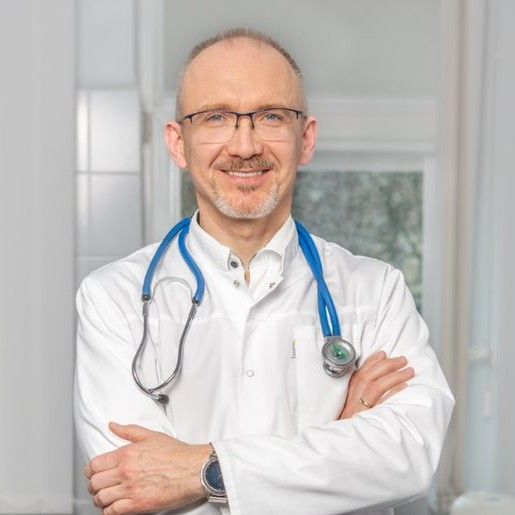
Dr Piotr Dąbrowiecki, MD, PhD
Specialist in internal medicine and allergology, Department of Internal Medicine, Infectious Diseases, and Allergology at the Military Institute of Medicine, Warsaw.
Dr Dąbrowiecki works in a severe asthma treatment clinic, where he cares for patients with asthma and chronic obstructive pulmonary disease (COPD).
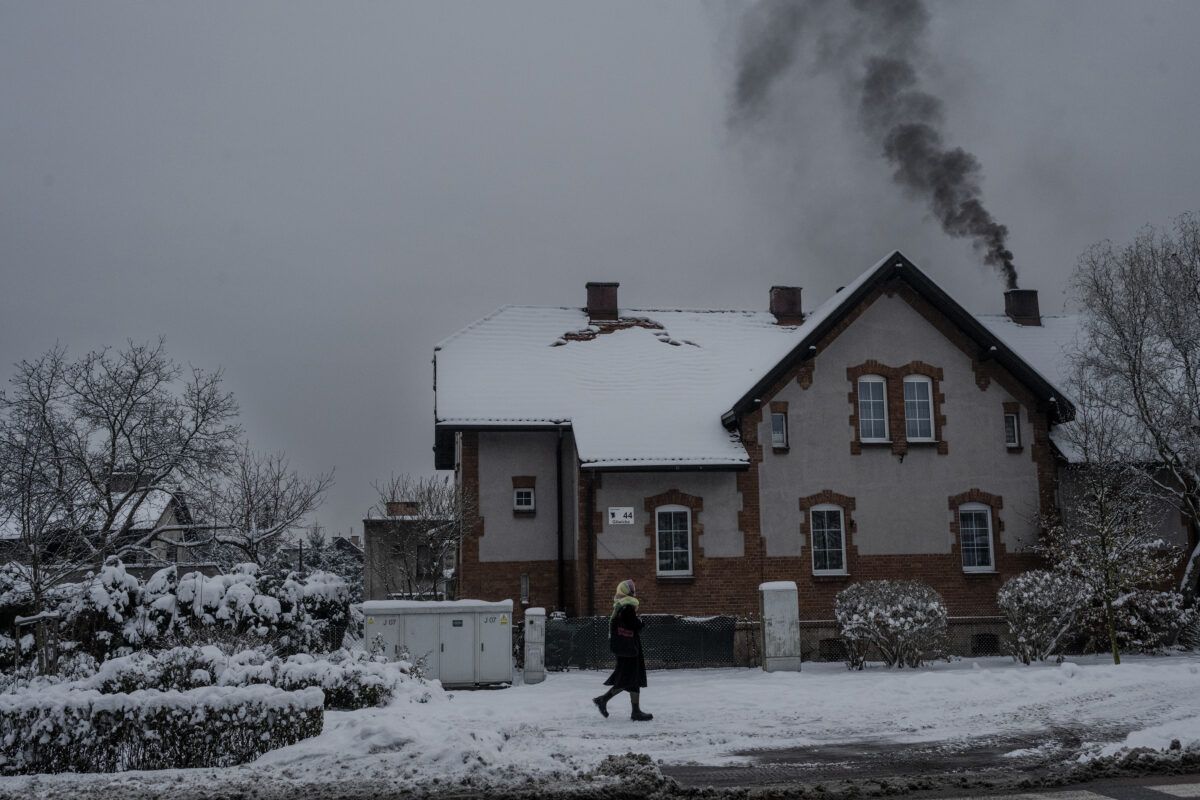
“Asthma patients experience increased coughing and shortness of breath during smog incidents and often come to me for unscheduled visits due to the exacerbation of their symptoms,” he explains. “People with COPD are very afraid of autumn and winter, because in the area where they live near Warsaw, smoke billows from the chimneys of single-family homes, irritating their lungs. They experience severe shortness of breath and coughing, which causes them to stay indoors for months.”
Dr Dąbrowiecki noted that hearing people express these concerns highlights that “clean air really matters — and more and more patients are becoming aware of this.”
Ghana
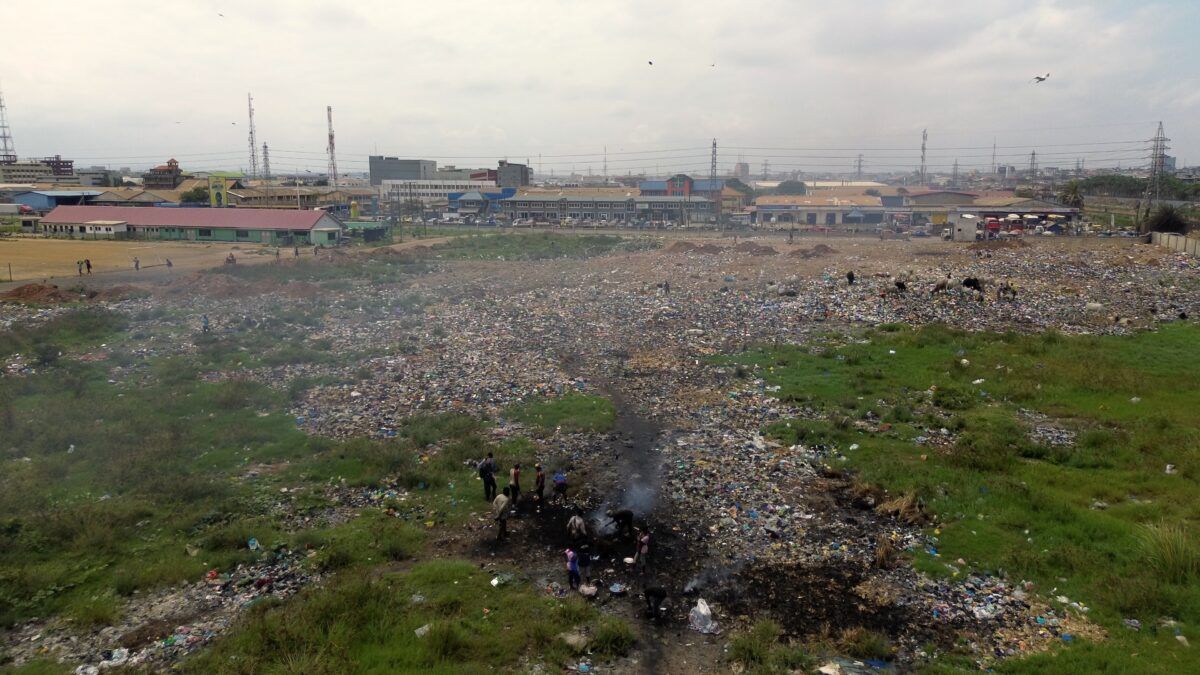
Good health is not only about treating illness. It is also about preventing the conditions that make people sick in the first place.
Dr. Akosua Gyasi
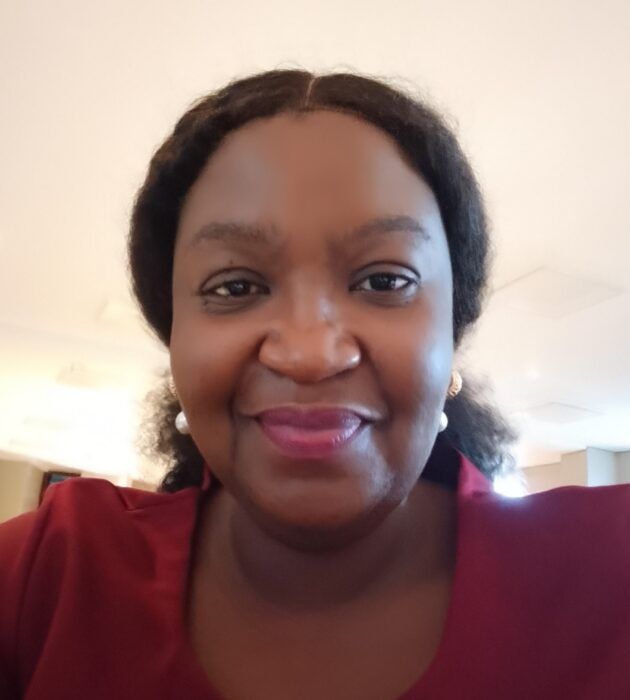
Dr. Akosua Gyasi
Environmental health professional, Ghana Health Service
Dr Gyasi’s work focuses on understanding how environmental factors like air pollution, waste and climate change shape people’s health and wellbeing. She collaborates with communities, health professionals, researchers, and policymakers to identify environmental health challenges and support practical approaches to addressing them.
“I have seen how people who are regularly exposed to smoke and polluted air can experience breathing difficulties, coughing, eye irritation, and other health concerns. What is particularly worrying is that some communities are exposed to these risks every day, often as part of their work or daily activities, without fully understanding the long-term consequences.”
Dr Gyasi wants to see stronger action to cut pollution at its source, through cleaner cooking, travel, and better waste management, along with more community awareness of the risks. “I am hopeful because more people are speaking up about air pollution and recognising it as a health issue.”
Malaysia
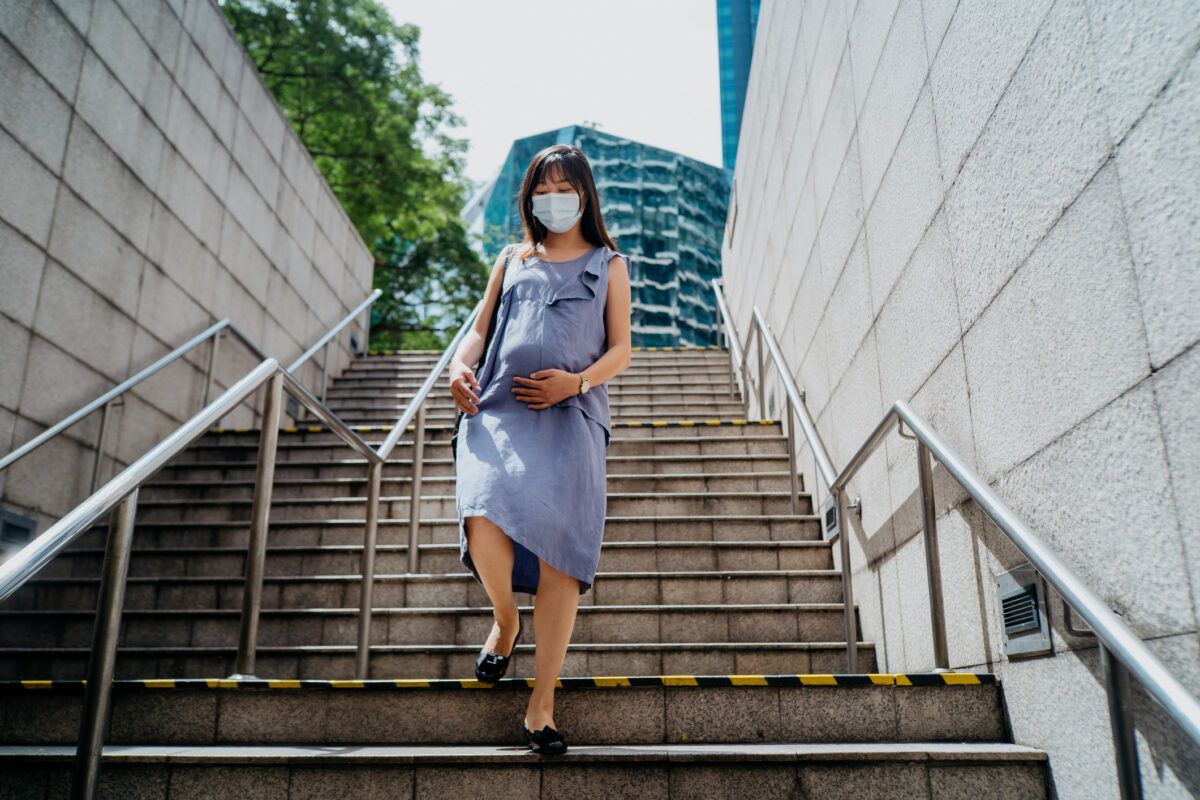
Air pollution is often treated as an environmental issue, but its consequences are felt most profoundly in our homes, clinics and communities. In Malaysia, more than 22,500 deaths were attributed to air pollution in 2022, with the majority linked to fossil fuel use. Each of these lives represents a preventable loss.
Prof. Tan Sri Dr. Jemilah Mahmood
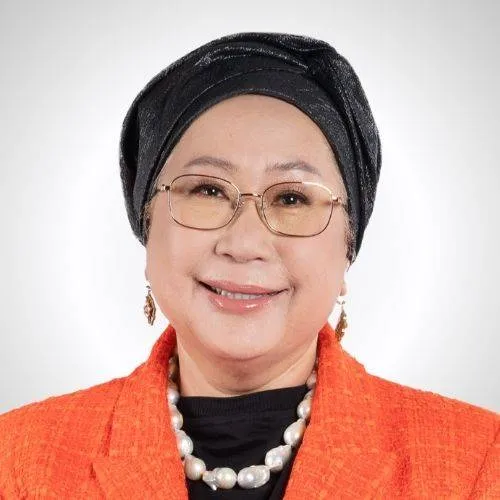
Prof. Tan Sri Dr. Jemilah Mahmood
Executive Director, Sunway Centre for Planetary Health, Sunway University
Prof. Tan Sri Dr Jemilah Mahmood, a physician and experienced crisis leader, is the Executive Director of the Sunway Centre for Planetary Health at Sunway University, Malaysia and a commissioner of the Our Common Air Commission.
“As an obstetrician and gynaecologist, I have cared for women throughout pregnancy and witnessed how environmental conditions can influence maternal and child health. Evidence increasingly shows that exposure to polluted air is associated with higher risks of preterm birth, low birth weight and other adverse pregnancy outcomes, placing additional stress on mothers and families.”
United Kingdom
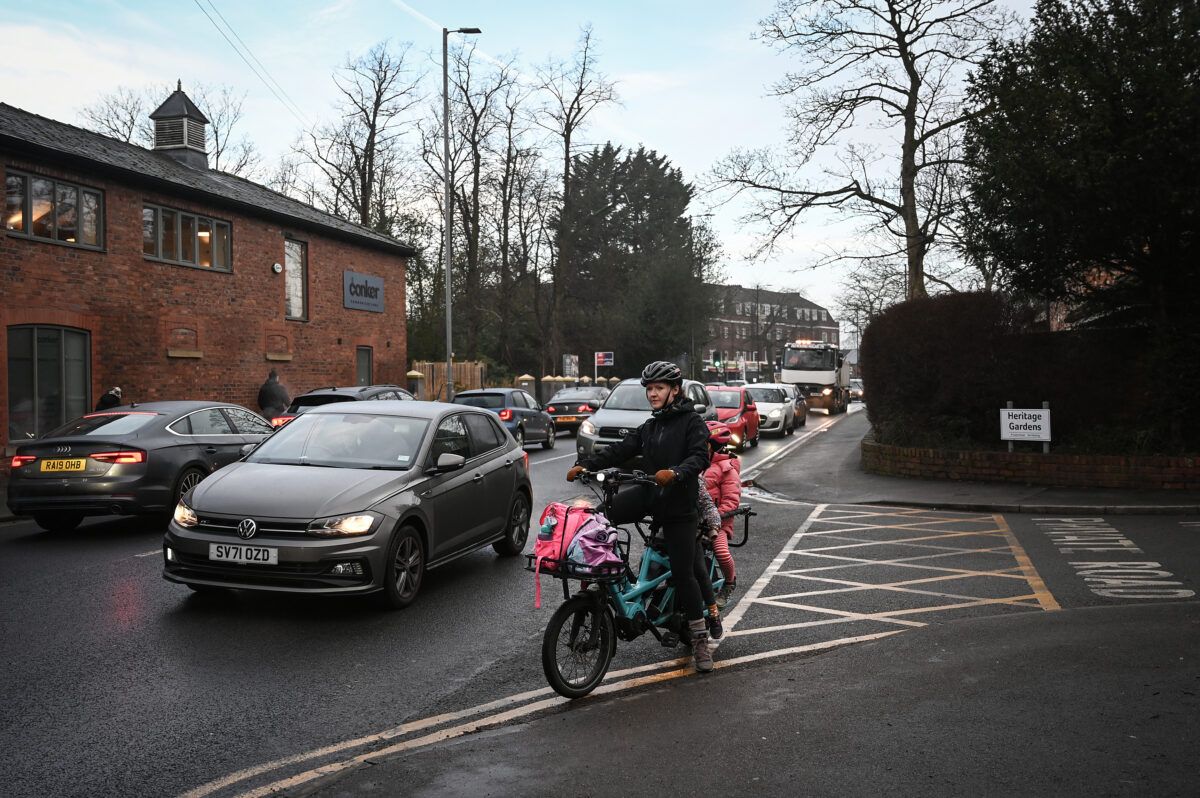
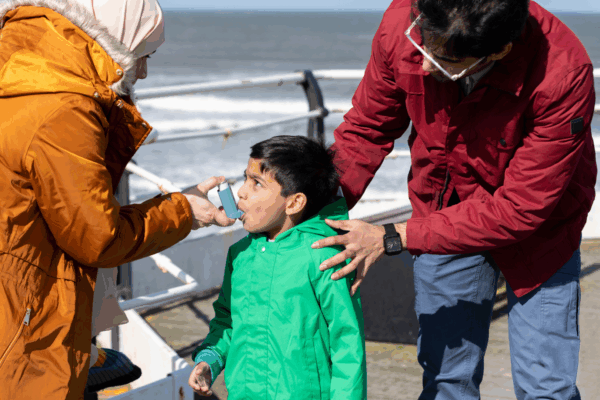
On a daily basis, I see children and young people affected by the air they breathe. It makes their asthma worse, it stops them achieving what they should do in and outside of school, and stops them from being able to live their lives.
Dr. Abigail Whitehouse
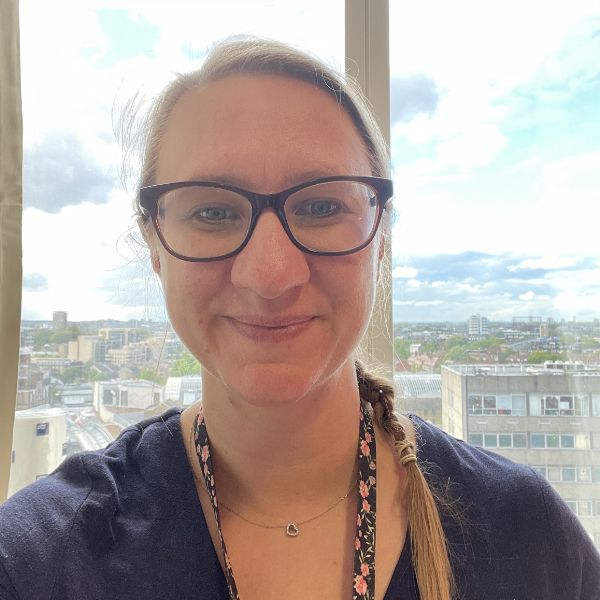
Dr. Abigail Whitehouse
Paediatric respiratory consultant and clinical academic, Royal London Hospital and Queen Mary University of London
Dr Whitehouse looks after children with complex respiratory disease and co-leads the UK’s only Children’s Environmental Health Service. She also leads research aiming to reduce the impact of the environment on children’s health. She works with health and housing providers, charities, academics and most importantly, children and young people and their families both inside and outside of the hospital.
“When I went to medical school, I thought it would teach me everything there was to know about how to treat and prevent disease and illness. While I learnt a lot, not just at medical school but also as I trained as a paediatrician, there was still a massive gap. It was clear to me that all the fancy medicines in the world would not fix the key underlying issues of the air we breathe and the environment that we grow up in.”
Bulgaria
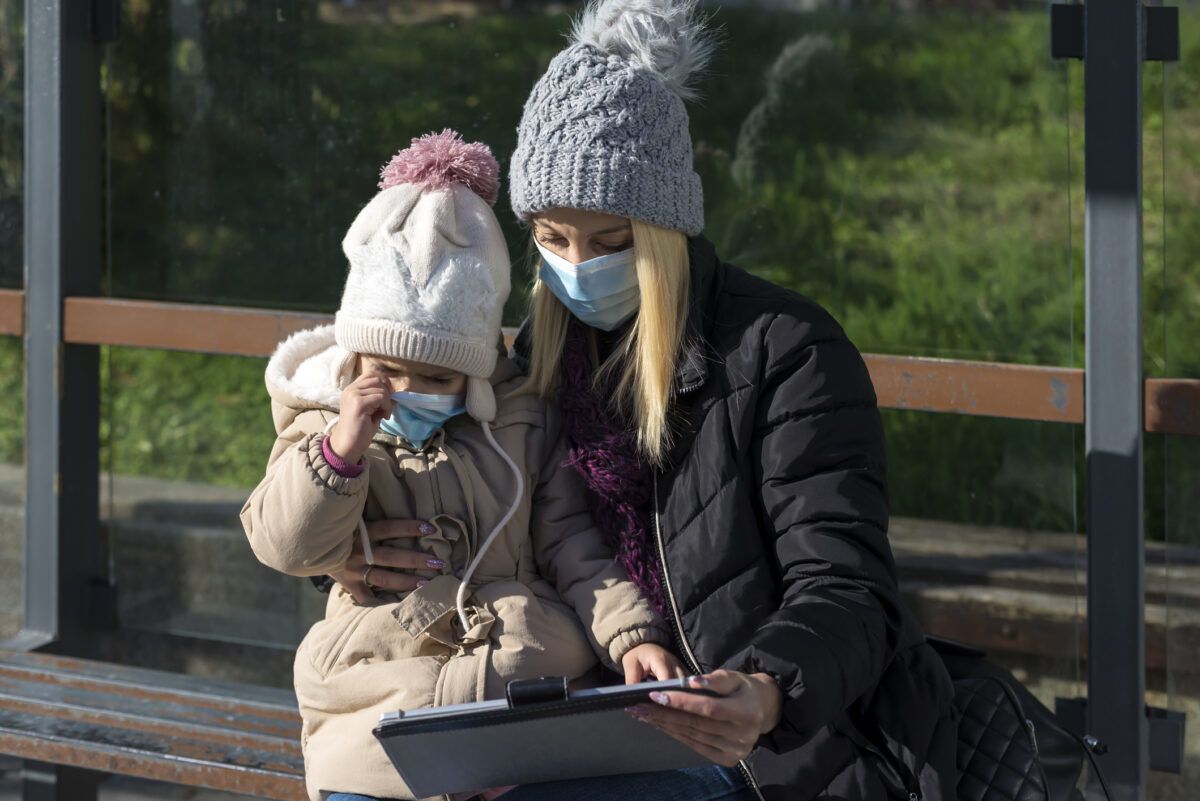
As an immunologist, I think about air pollution not simply as something we breathe, but as something that continuously interacts with our first lines of defence.
Associate Professor Tsvetelina Velikova, MD, PhD, MPH
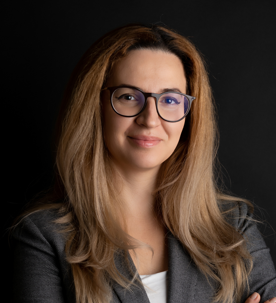
Associate Professor Tsvetelina Velikova, MD, PhD, MPH
Physician and clinical immunologist, Medical Faculty, Sofia University St. Kliment Ohridski
Dr Velikova is a physician, clinical immunologist, researcher and university lecturer whose work focuses on the immune system, inflammation, autoimmune disease, and the links between environmental exposure and human health.
In Dr Velikova’s clinical practice, she sees “the same children return with repeated respiratory infections, persistent coughs and prolonged symptoms — particularly those growing up in large cities and polluted environments,” she says. “We know that the respiratory tract is the first barrier and most vulnerable to air pollution. When it is repeatedly exposed to particulate matter and other pollutants, it can promote inflammation, impair the immune system’s normal protective mechanisms, and increase the risk of respiratory and other chronic diseases.”
“As communities understand that clean air means healthier children, fewer illnesses and healthier lives, air pollution becomes a health issue that is much harder to ignore.”
South Africa
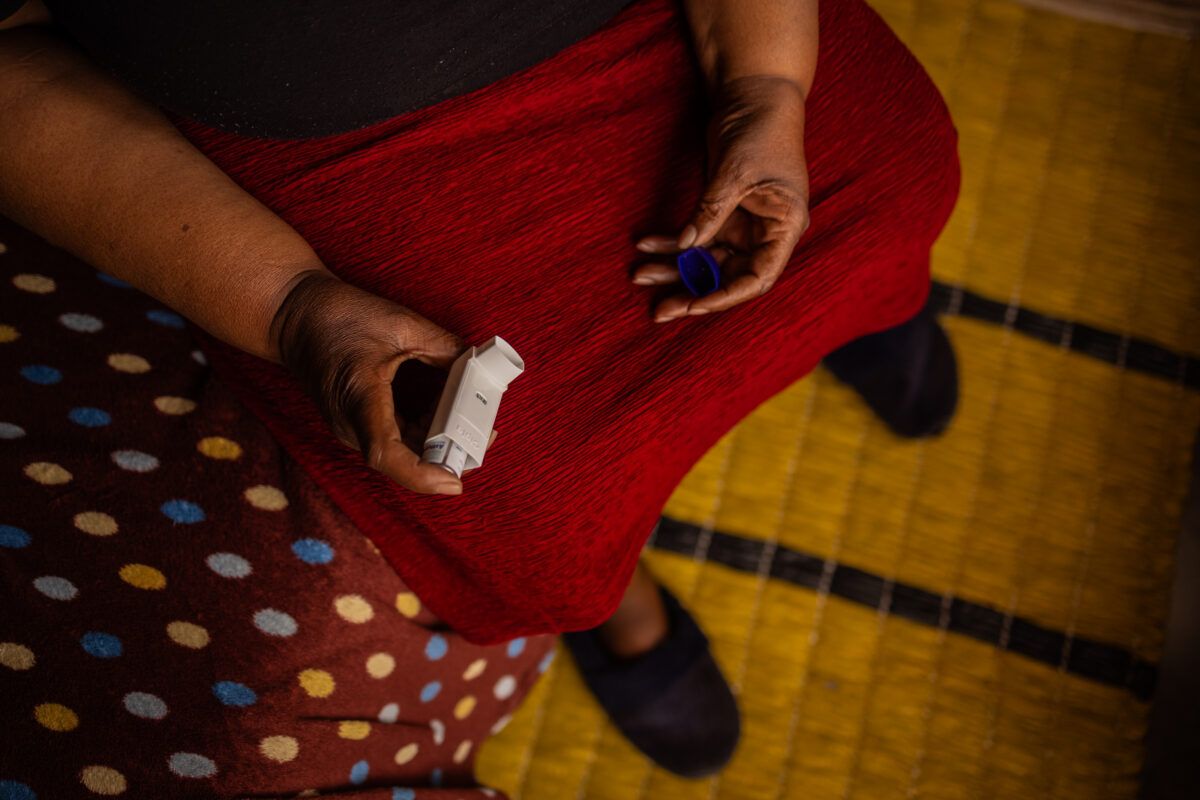
I believe passionately that we all have the right to breathe clean air, and that early-life exposures have lifelong consequences.
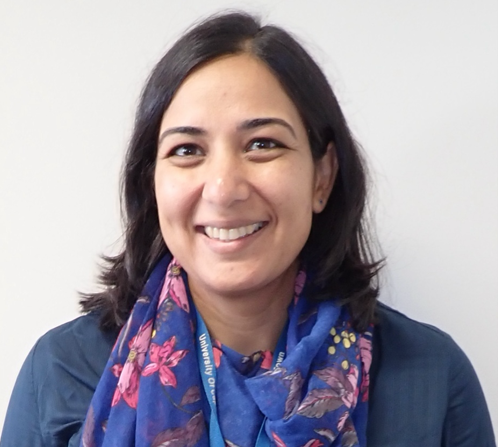
Professor Aneesa Vanker
Paediatric pulmonologist, Red Cross War Memorial Children’s Hospital, University of Cape Town
Professor Vanker’s work focuses on respiratory health in children. Her work extends across South Africa and the continent, working with children, pregnant women and families in peri-urban, low- and middle-income communities.
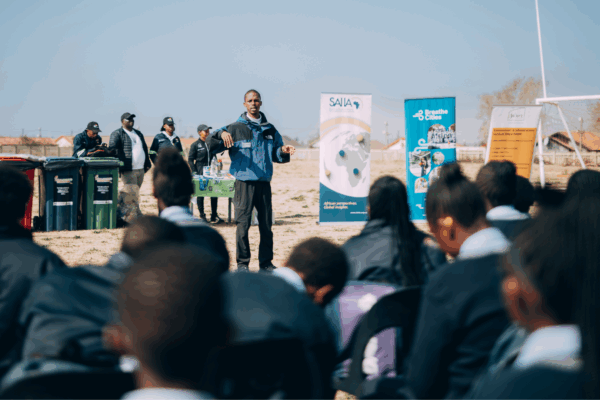
“For the last 15 years, my research has focused on the impact of air pollution on child lung health,” she says. “This work has shown that air pollution affects health from the antenatal period — when pregnant women are exposed to poor air quality, with consequences for the developing baby, including decreased lung function and an increased risk of respiratory infections and wheezing in early life and childhood.”
She’s hopeful that growing awareness, advocacy, and a slow shift toward renewable energy will bring the changes needed — “not just for human health, but for planetary health.”
Clean air is a smart investment in public health
The healthcare professionals featured here work in different countries and health systems, but their experiences all point to the role that clean air plays in people’s health and wellbeing.
Clean Air Fund works with partners across sectors to build the evidence for action, strengthen policies, mobilise funding and amplify the voices of those most affected by dirty air. Check out our work on clean air and health. You can also access this collection of reports, research and data on the impact of air pollution on public health and strategies for action.