News 28 May 2026
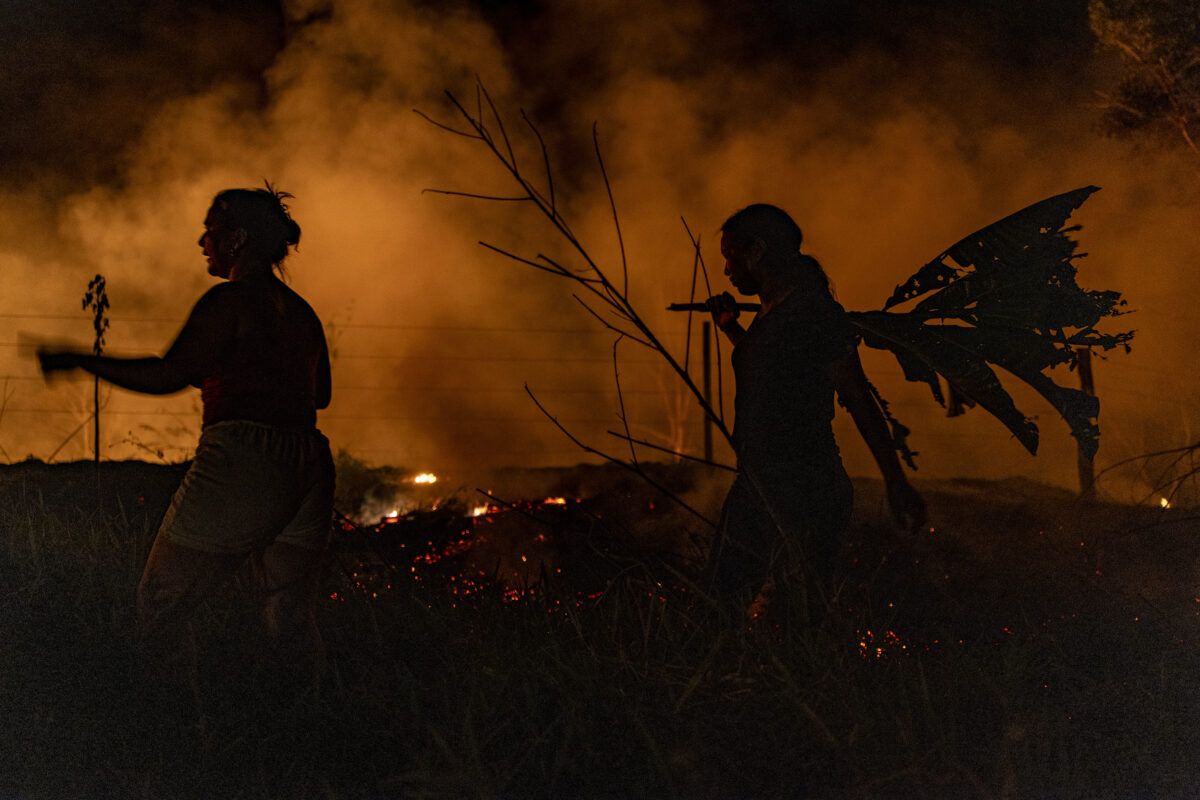
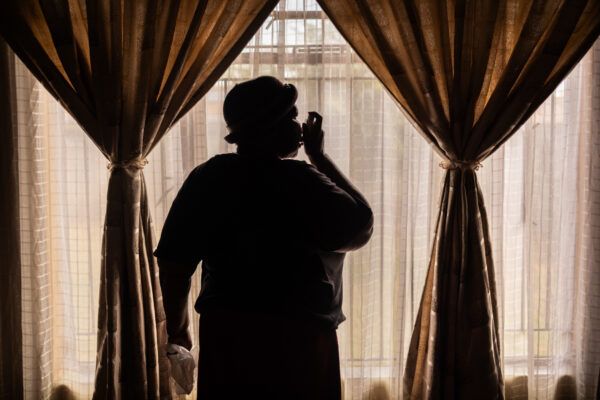
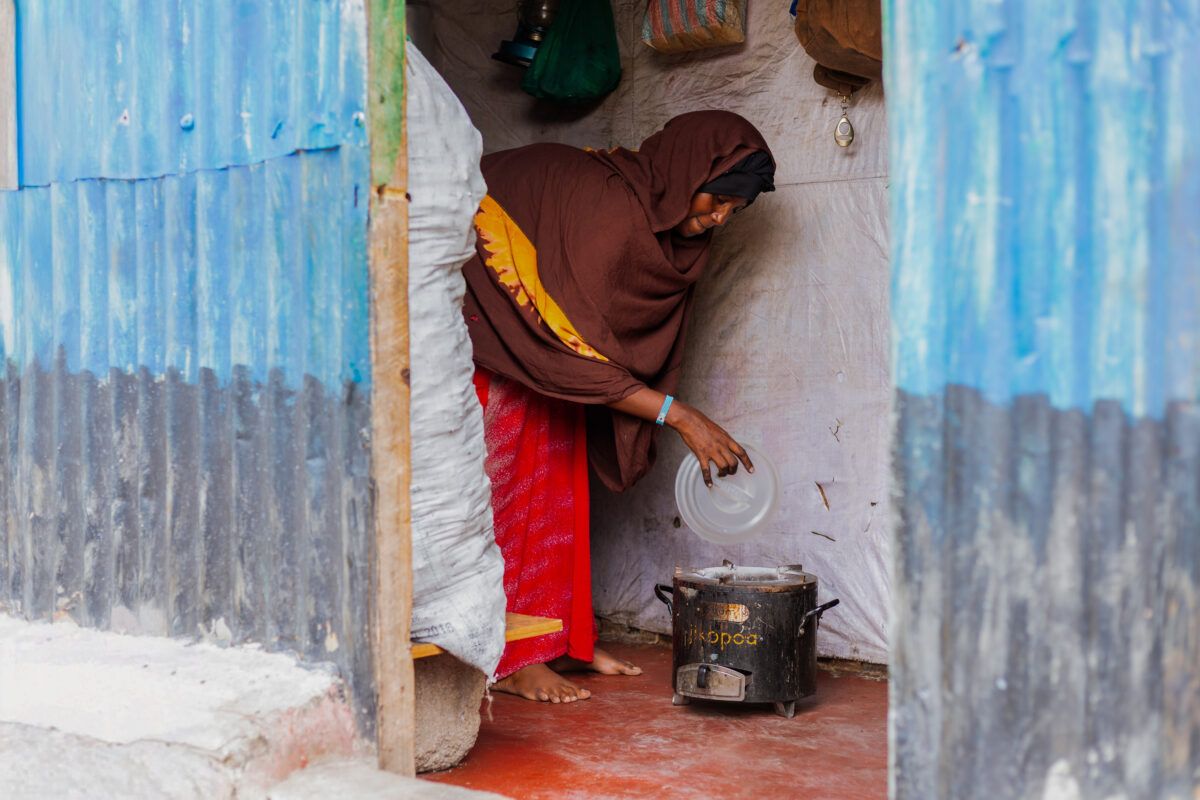
Climate Visuals, in partnership with Clean Air Fund, has launched over 200 new photographs to our black carbon collection. The images, taken in Kenya, Nepal and Nigeria, highlight the sources and impacts of black carbon emissions on different communities, as well as the urgent actions they are taking to protect their health and livelihoods. These new images are free for non-profit, educational and editorial use, and add to those taken in Brazil, launched late last year.
Why black carbon?
Black carbon (known as soot) is one of the world’s super pollutants, alongside methane and tropospheric ozone, that contribute to half of global warming to date. Particles in the air absorb the sun’s warmth, heating the climate and disrupting local weather patterns.
Black carbon also has devastating impacts on communities. As a component of particulate matter, it enters bloodstreams and contributes to diseases like asthma, strokes, heart attacks, cancer and dementia. These negative impacts disproportionately affect the most marginalised communities.
Action on black carbon and other super pollutants can be an ‘emergency brake’ to the climate emergency, with the potential to cut near-term temperatures four times faster than action on carbon dioxide alone. Reducing these dangerous emissions will also improve health globally, reducing healthcare costs and boosting economic productivity.
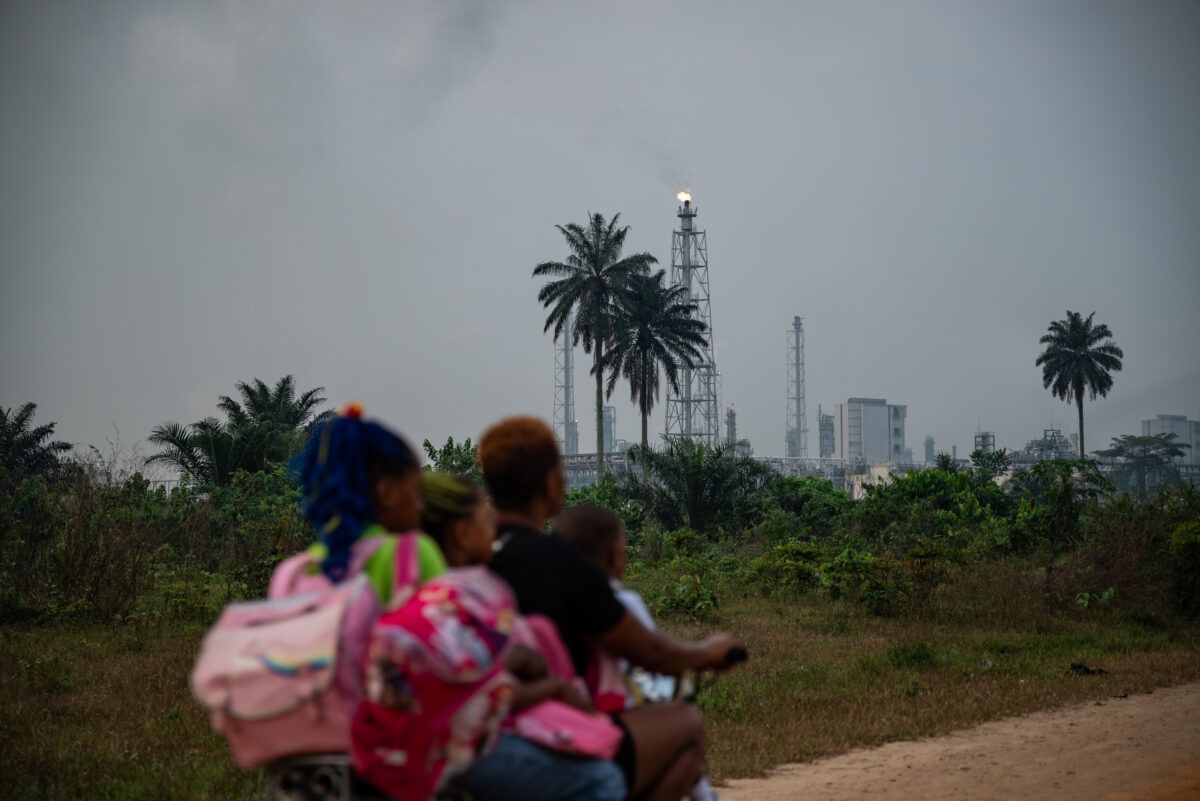
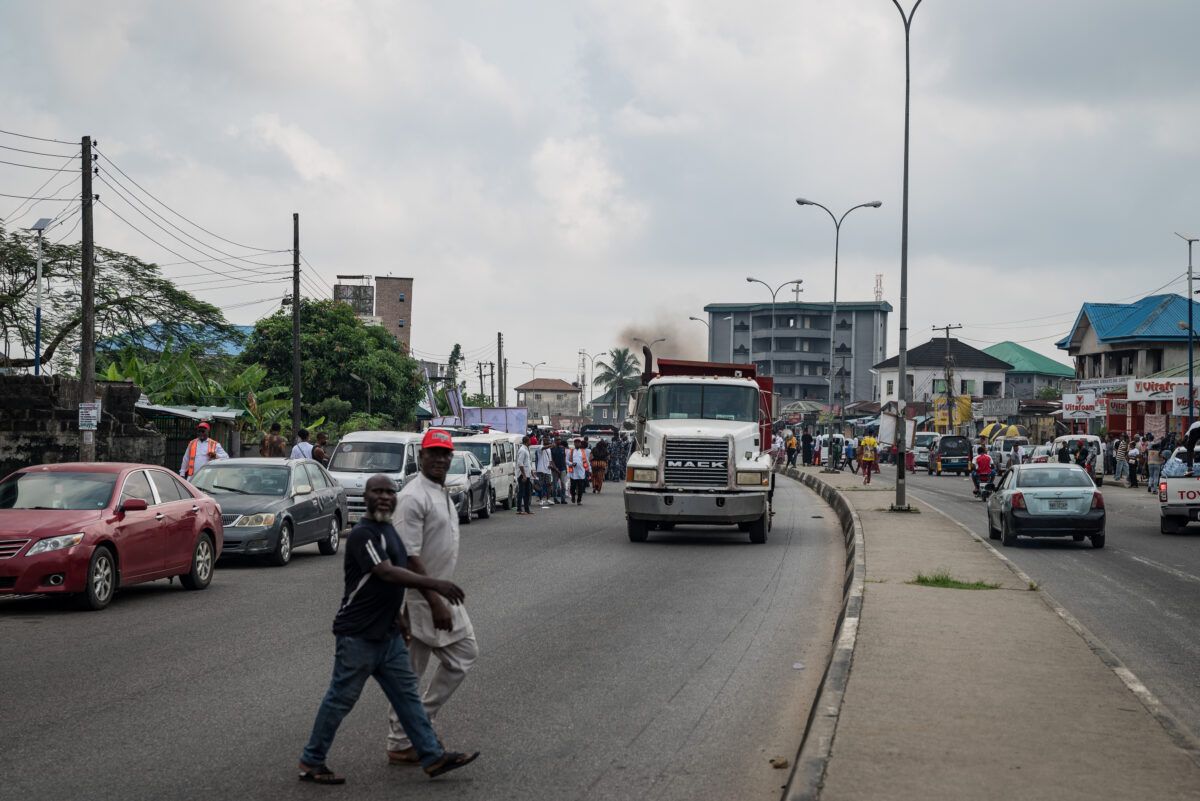
Photos from Nigeria
In Nigeria, Taiwo Aina photographed black carbon emissions from a range of sources, including palm oil production and gas flaring. The photos visualise the impacts on local communities and environment.
Photos from Nepal
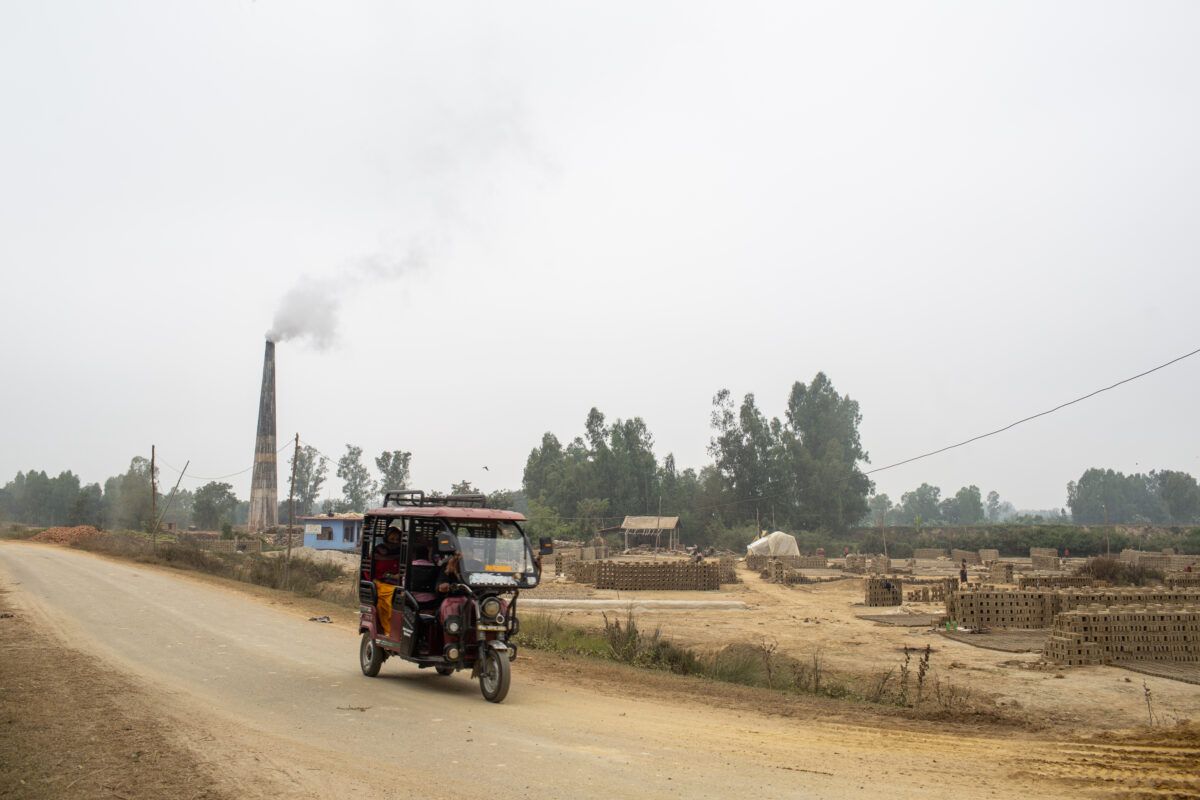
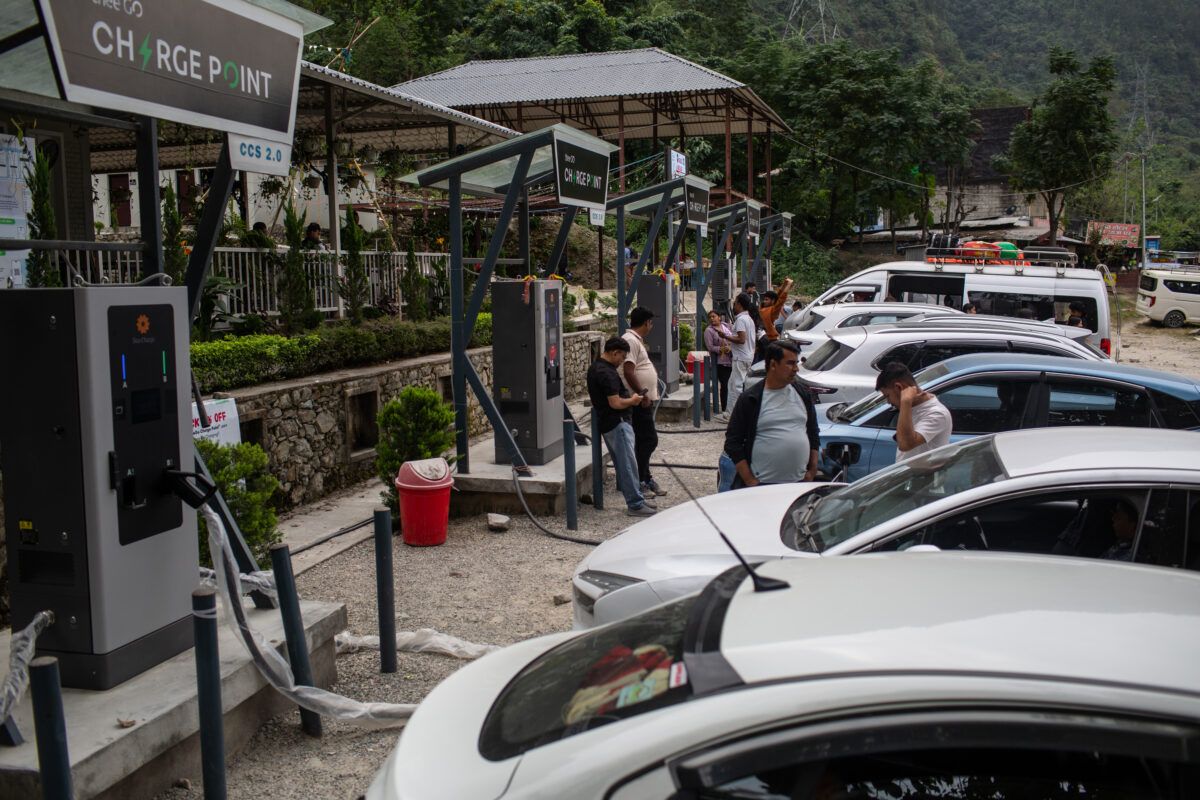
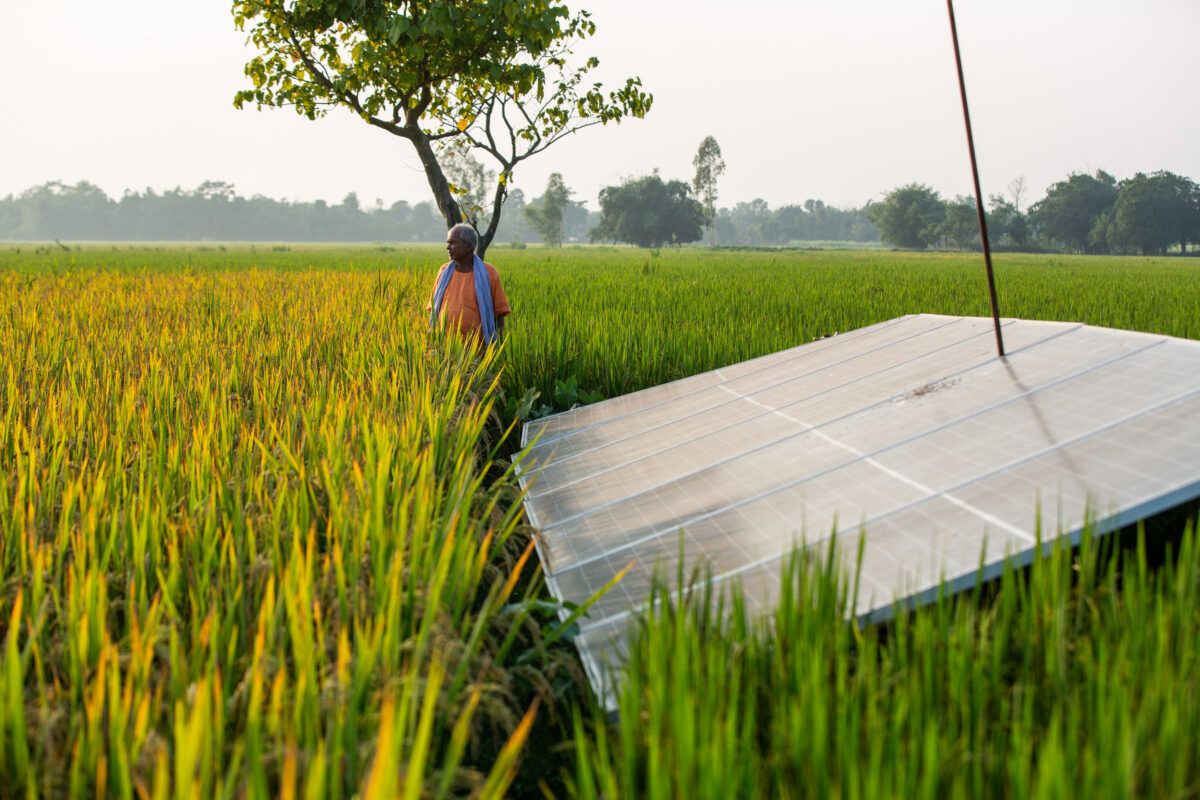
In Nepal, Nabin Baral photographed a range of causes of black carbon emissions from agricultural burning, industries including brick kilns, and heavy vehicles, as well as the winter fog affecting communities in the Terai region. He also documented potential solutions, including solar irrigation, innovative domestic heating systems, and electric vehicle charging.
Photos from Kenya
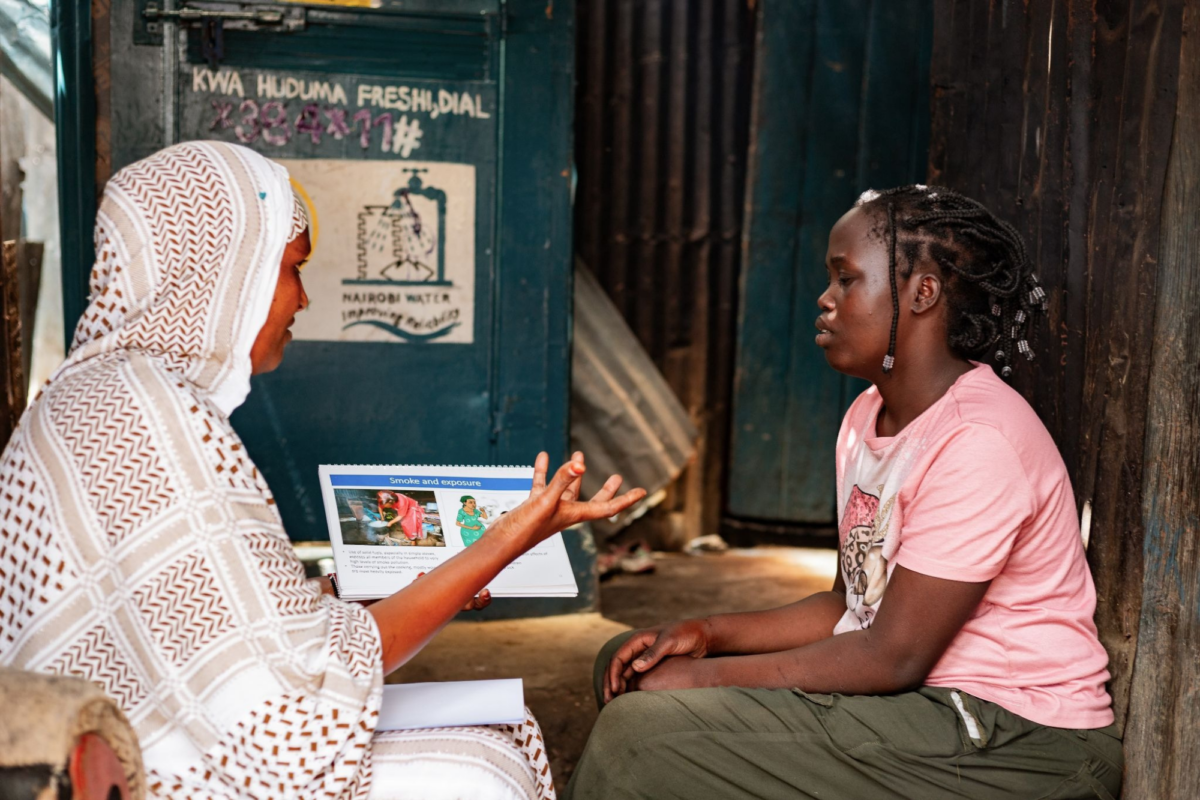
In Kenya, Esther Sweeney photographed waste burning at Kenya’s largest dump site, the use of charcoal for domestic cooking as well as cleaner cooking technologies and education around the impacts of black carbon.
Photos of Brazil and other countries
These new images join Victor Moriyama’s work from Brazil in our black carbon collection. The photographs are available free for non-profit, educational and editorial use, forming a communications resource for campaigners, media, civil society organisations, governments and more. This collection follows Climate Visuals’ first air pollution-focused photo series from 2024.
The photos will form part of an exhibition at London Climate Action Week, see here for more details.