17 September 2026
The problem
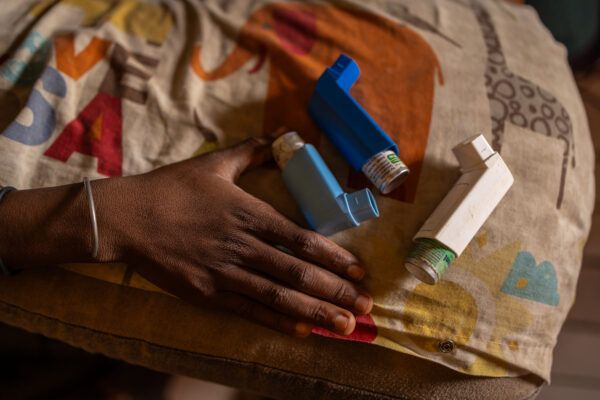
Air pollution is one of the greatest environmental threats to child health. Children are especially vulnerable because their lungs, brains and immune systems are still developing, and exposure to polluted air is associated with respiratory illness, adverse birth outcomes, impaired lung growth and lifelong health consequences. Globally, air pollution is the second leading risk factor for death among children under five.
The landmark inquest into the death of nine-year-old Ella Adoo-Kissi-Debrah, which established air pollution as a contributing cause of death for the first time in the UK, highlighted the urgent need for stronger action, including clinical, public health and policy responses.
Hospitals rarely have systems that link patient records with air quality data or routinely consider air pollution as a contributing factor in maternal, newborn and child health outcomes. At the same time, paediatricians—among the most trusted professionals in society—have often lacked the resources, evidence and advocacy training needed to influence policy discussions on clean air.
Recognising this gap, the Royal College of Paediatrics and Child Health (RCPCH) and its partners saw an opportunity to equip paediatricians to move from witnessing the consequences of polluted air to actively driving solutions.
The solution
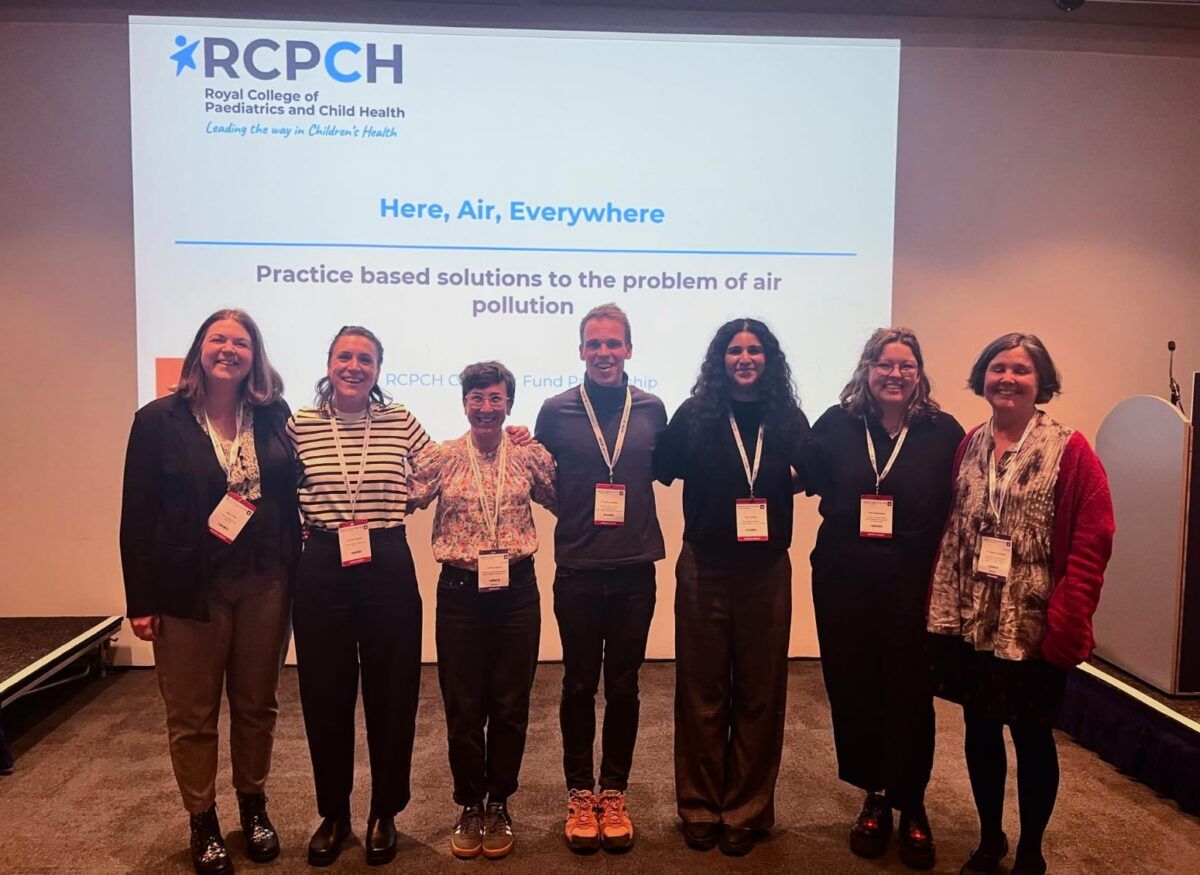
With the support of the Clean Air Fund, RCPCH established a comprehensive programme that combines research, education, professional mobilisation and policy advocacy in the UK and internationally.
In the UK, RCPCH developed the Air Pollution Companion—a practical learning and advocacy platform designed to:
- help clinicians understand the health impacts of air pollution
- integrate environmental health into clinical practice
- communicate confidently with children and families
- advocate for cleaner air in their communities.
The College also updated its national air pollution position statement, produced educational resources and teaching materials, and strengthened efforts to embed environmental health throughout paediatric education, training and professional development.
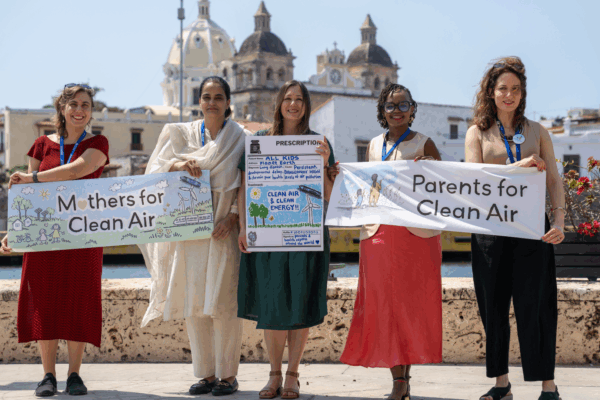
The programme developed a UK-wide Clean Air Network, bringing together paediatricians and child health professionals to share learning, support local action and amplify children’s health perspectives within national policy debates. Alongside this work, RCPCH engaged more than 1,100 children and young people across the UK through consultations, workshops and roadshows, ensuring their experiences and priorities informed advocacy efforts.
Building on the UK model, RCPCH Global established partnerships with the Nepal Paediatric Society, the Paediatric Association of Nigeria and the South African Paediatric Association, to develop country-specific approaches that translate clinical evidence into policy action.
Through retrospective studies linking hospital admissions records with local air quality data, paediatricians are generating locally relevant evidence on the impact of air pollution on maternal, newborn and child health outcomes. This work is helping to establish air pollution as a determinant of health and strengthen the localised evidence needed to influence policy and healthcare practice in LMICs. The programme has since expanded further, with new partnerships being developed with the Kenya Paediatric Association and the Indian Academy of Paediatrics.
With the support of RCPCH and its partners, the South African Paediatric Association (SAPA) is working on a multi-faceted project to raise awareness of the effects of air pollution on child health in South Africa. A research project exploring the direct impact of air pollution on child respiratory health is being performed, and an advocacy strategy is being developed. The advocacy strategy aims to raise awareness at all levels of society from the grassroots up, including patients and their families, clinicians, medical management and the national government. Patients are being supported in managing their own health and campaigning in their own areas; clinicians are more aware of the issues and advocating for their patients, and the government is being asked to recognise children’s right to clean air and health.
South African Paediatric Association (SAPA)
The impact
In the UK, RCPCH has built a network of more than 100 paediatric and child health professionals who are actively advocating for clean air at local, regional and national levels. Through campaigns, policy engagement, conferences, webinars and community-led initiatives, the College has strengthened the representation of children’s health within discussions on air quality and environmental policy.
The Air Pollution Companion has been accessed by more than 5,600 healthcare professionals, helping clinicians understand the health impacts of air pollution and providing practical tools to support both clinical conversations and advocacy. RCPCH’s air pollution position statement has been viewed more than 3,000 times and has helped inform policy discussions on issues including housing quality and environmental health inequalities.
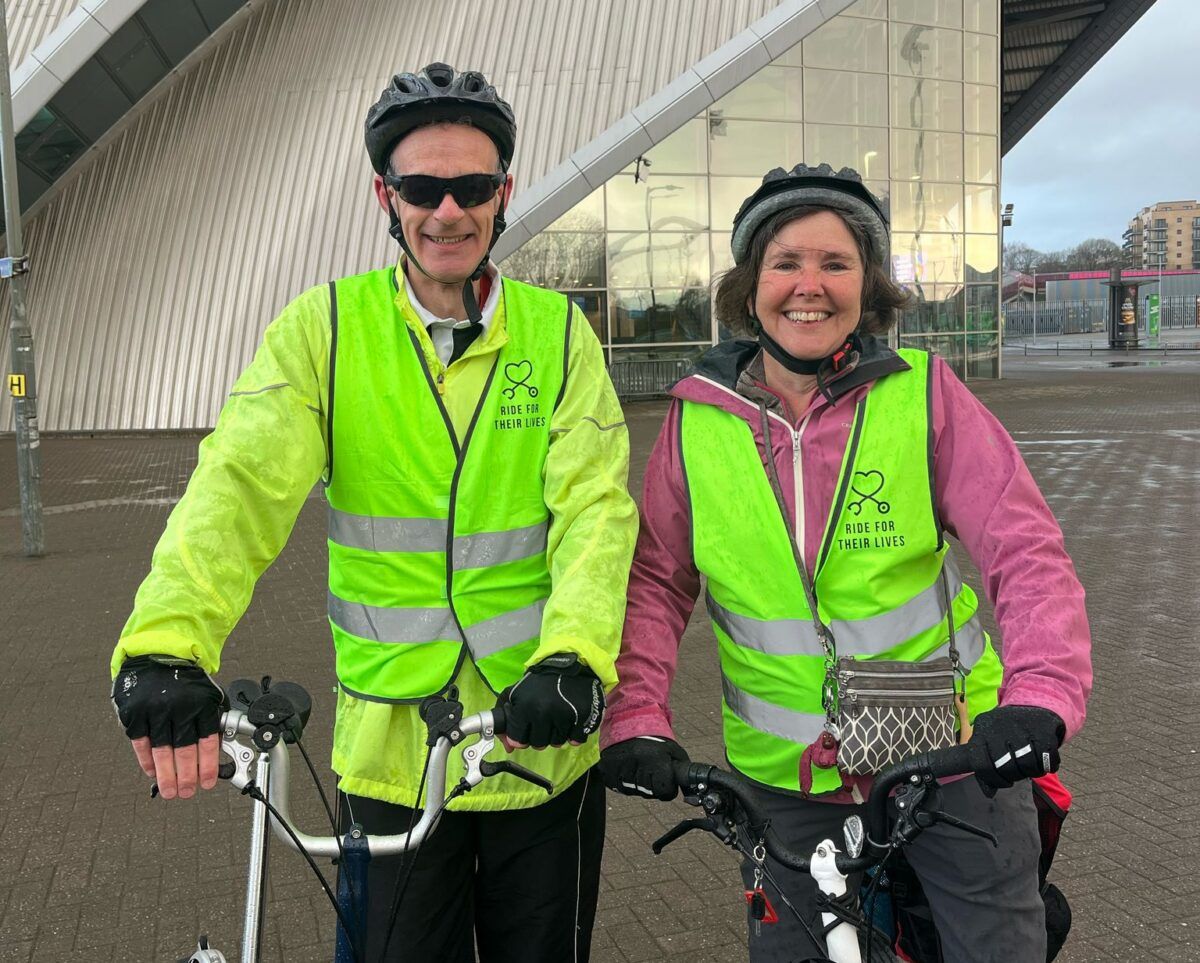
Children and young people have been central to the programme’s success. More than 1,100 children and young people from diverse communities across the UK participated in consultations, workshops and roadshows, helping shape resources and recommendations. Their contributions ensured that advocacy and policy recommendations reflected lived experience and the realities facing young people.
Internationally, the programme has helped establish paediatric-led clean air networks across Nepal, Nigeria and South Africa, supported evidence reviews, stakeholder engagement, advocacy planning and policy discussions. Partner organisations have presented their work at national and international conferences and engaged with ministries and environmental agencies. By supporting efforts to link healthcare and air quality data in low- and middle-income countries, the programme is pioneering new approaches to understanding and addressing the health impacts of pollution within healthcare systems.
What began as a UK initiative has evolved into an international movement of paediatricians, professional associations and child health advocates working together to protect children from the harms of air pollution. By helping healthcare professionals connect their clinical knowledge with the growing evidence of air pollution’s impact on health, RCPCH and its partners are advocating to ensure that clean air is recognised not only as an environmental priority, but as a fundamental component of child health.