News 12 August 2026
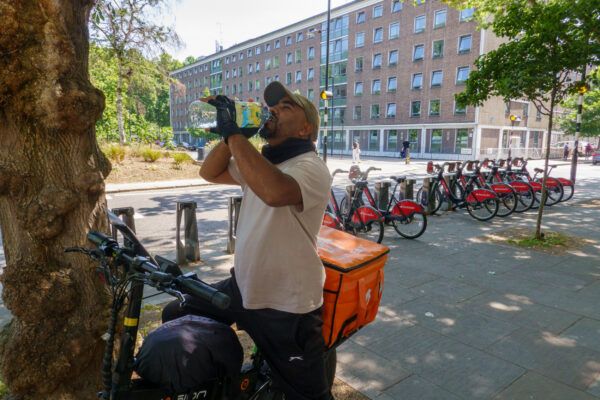
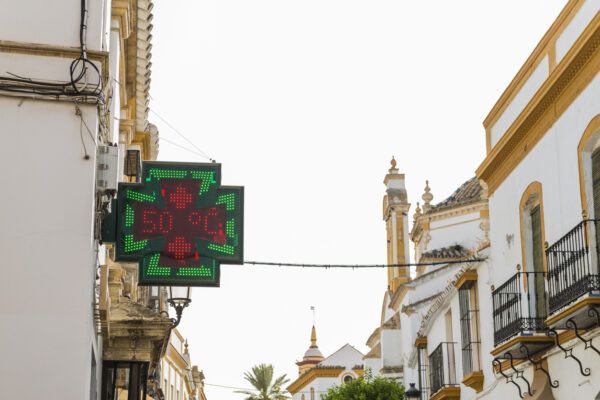
Extreme heat is becoming more common across the world. In Europe, temperatures broke national records and hospitals came under strain. Japan issued heatstroke alerts as temperatures were expected to top 40°C in some cities. Libya, Tunisia and Algeria experienced power blackouts as temperatures above 40°C piled pressure on energy systems.
These extreme heat events are a threat to public health, labour, food security and infrastructure. But there is another risk that doesn’t get enough attention: extreme heat can make air pollution worse, and some air pollutants can make warming worse in return. During Europe’s June heatwave, heat-related air pollution intensified and nearly two-thirds of EU residents were estimated to have been exposed to harmful levels ozone pollution.
How heat makes air pollution worse
Ground-level, or tropospheric, ozone is often called “bad ozone”. Unlike the protective ozone layer high in the atmosphere, it forms closer to the ground when precursor pollutants react in sunlight. Under certain conditions, ozone can form when sunlight triggers reactions between nitrogen oxides, methane, volatile organic compounds and carbon monoxide – and those high temperatures increase even more ozone formation.
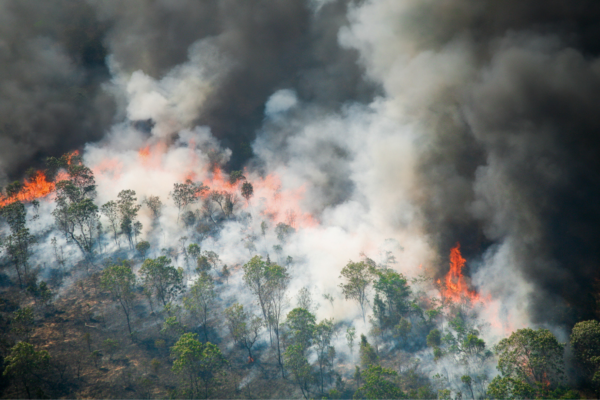
Research on ozone precursors highlights the role of carbon monoxide, volatile organic compounds and nitrogen oxides in shaping tropospheric ozone trends. These are emitted from sources including biomass burning, wildfires, transport, energy generation, industry, waste burning and some agricultural activities.
While acknowledging that heat increases levels of air pollutants like tropospheric ozone, the World Health Organization (WHO) also warns that high levels of fine particulate matter (PM2.5) can augment the impacts of heat on respiratory and cardiovascular health. This is why heatwaves should also be viewed as air pollution episodes.
In some settings, high temperatures can also contribute to elevated PM2.5 levels by accelerating chemical reactions in the atmosphere, while stagnant weather conditions can trap pollution closer to the ground.
How polluted air can add to heat
The cycle also runs the other way too. Tropospheric ozone is not only a harmful air pollutant, but also a greenhouse gas. The powerful super pollutant is responsible for around 0.23°C of global warming to date and is associated with 500,000 premature deaths per year, as explained in our policy brief.
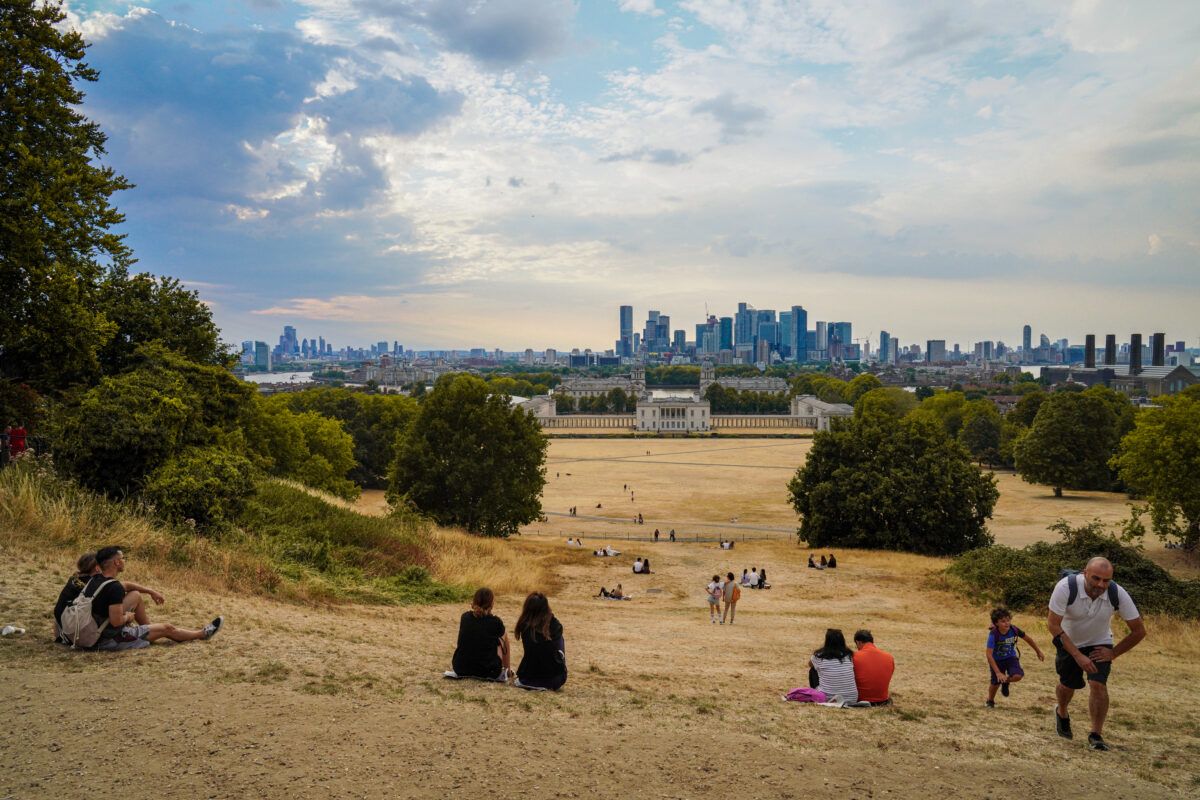
Black carbon, another super pollutant, can also rise during heatwaves, as observed during London’s 2022 heatwave. Black carbon absorbs sunlight and converts it into heat, contributing to local and regional warming.
These two super pollutants damage health during heatwaves, but they also directly contribute to global warming. This creates a dangerous feedback loop: climate change causes heatwaves that worsen super pollutants, and super pollutants contribute to further warming – all while more polluted air puts greater strain on human health, crops and national systems.
A threat to health and economy
Research suggests that combined exposure can increase all-cause mortality by around 21%, compared with roughly 6% for exposure to either heat or air pollution alone. These combined heat and air pollution episodes are becoming increasingly common across parts of Africa, South Asia, Southeast Asia, China and the US.
High tropospheric ozone levels are linked to increased hospital admissions, lost working days and reduced outdoor labour capacity. These effects are particularly serious during heatwaves, when health systems, public services and workers are already under strain.
Heat and air pollution damage many of the same organs and systems. The WHO says heat stress can worsen cardiovascular disease, diabetes, mental health conditions and asthma. The people most at risk include infants, young children, pregnant women, older people, outdoor workers and people with chronic conditions.
The World Bank finds that 1.7 billion people are exposed to extreme heat in cities and that urban heat islands can raise city temperatures by as much as 10°C above surrounding areas. The most vulnerable communities have the least power to avoid exposure, especially where housing is poor, work is outdoors, healthcare access is limited or clean cooling options are unaffordable. This combined threat is especially serious for countries with fragile health systems, electricity shortages, high outdoor labour exposure or severe air pollution.
Breaking the cycle through integrated action
The good news is that many of the solutions are already available and governments do not need separate strategies for every part of this problem. Cutting emissions from transport, power generation, industry, waste and agriculture reduces the pollutants that form ozone and particulate matter pollution, while also reducing climate-warming emissions.
Cities can reduce exposure by expanding clean public transport, creating safer walking and cycling routes, adding shade and green space, and designing heat-health warning systems that reach the people most at risk. The WHO guidance on heat-health action plans sets out practical elements for plans.
Air quality monitoring and forecasting should be part of the response. Governments can also strengthen integrated heat and air pollution early warning systems, helping communities and health services prepare for periods when extreme heat and poor air quality occur together.
An integrated response can deliver immediate benefits for people, planet and economies. Check out our recommendations for governments to cut black carbon and tropospheric ozone.