News 4 August 2026
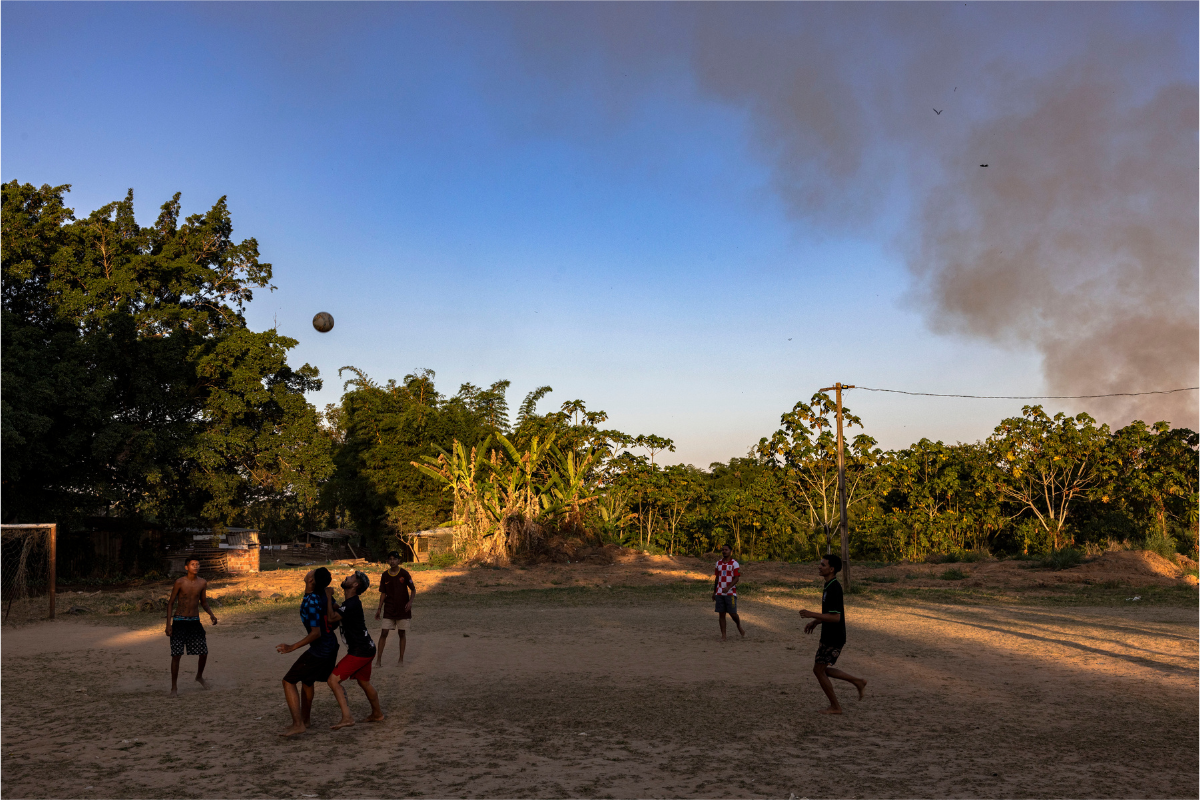
Wildfire smoke puts millions at risk across Europe
Wildfires in France and Spain have caused sharp increases in fine particulate pollution across Europe throughout the summer. Scientists are raising concern about PM2.5 from wildfire smoke, which is linked to cardiovascular disease, lung cancer and respiratory problems. Clean Air Fund CEO Jane Burston spoke to Euronews about the health risks of wildfire smoke, including how toxic particles can travel thousands of kilometres from the source fire.
Deaths linked to London air pollution have fallen by 40%
New research estimates that deaths linked to air pollution in London have fallen by 40% since 2019, reflecting improvements in air quality across the capital. The study found that nitrogen dioxide levels declined by 41% and PM2.5 by 28% over the same period, although researchers caution that air pollution remains a major public health risk for Londoners.
Athletes encouraged to check air pollution levels before exercising
Air pollution can have considerable impacts on athletes, including outdoor runners who breathe in more polluted air during physical activity. Former marathon world record holder Paula Radcliffe highlights the importance of checking local air quality and taking practical steps to reduce exposure when pollution levels are high.
Photos reveal the impact of black carbon pollution in Nigeria
Black carbon emissions from crude oil, gas flares, and wood fires are putting vulnerable communities in Nigeria at risk. A photo story featuring images from our collection with Climate Visuals documents the experiences of people affected by black carbon pollution and its consequences for daily life.
Long-term exposure to air pollution linked to higher cancer risk
Exposure to fine particulate pollution is linked to higher cancer risk and mortality across several cancer types, according to a major global review commissioned by UICC. Researchers found that long-term exposure to PM2.5 raises the overall risk of an individual developing cancer by 11%, with the most substantial increase seen in liver and colorectal cancer. The findings add to growing evidence that clean air should be treated as a core part of cancer prevention and public health policy.
Clean air policies offer opportunities for economic growth
Air pollution costs the global economy an estimated US$6 trillion each year, while 1.2 billion working days are already lost annually due to pollution-related illness. Clean Air Fund CEO Jane Burston makes the case for greater investment in clean air as a driver of productivity, resilience and sustainable growth.
Major cities record reductions in air pollution through coordinated action
London, San Francisco and Beijing have seen notable drops in particulate matter and nitrogen oxide pollution over the past decade. Clean air interventions also helped 19 cities globally cut levels of pollutants by more than 20%. Key measures include cleaner public transport fleets, low‑emission zones, industrial upgrades and long‑term compliance enforcement. Research by Breathe Cities highlights these cities as evidence that ambitious, multi‑sectoral policies can deliver sustained improvements.
Air pollution added to Europe’s recognised cancer risks
Air pollution has been formally added to the European Code Against Cancer, a set of evidence-based recommendations designed to help reduce cancer risk across the European Union. Public health experts say the move should accelerate action across transport, industry and urban planning, helping align cancer prevention strategies with clean air regulations.
Kraków’s clean air measures save thousands of lives after coal phase‑out
In Kraków, Poland, a ban on household coal burning, expansion of clean heating programmes and vehicle emission controls have significantly lowered black carbon emissions. Researchers estimate this has prevented thousands of premature deaths. The city’s long‑term commitment and public engagement campaigns are credited as key drivers of success.
UN reports warns pollution is driving human rights violations, urging stronger accountability
UN Special Rapporteur Astrid Puentes Riaño reported that air pollution is contributing to widespread human rights violations, particularly affecting children and low‑income communities. A new report presented to the UN Human Rights Council calls for improved data transparency, stronger enforcement of air quality standards and greater protection for at‑risk populations.
Bogotá targets air pollution in low-income neighbourhood with clean air zones
Bogotá, Colombia, is prioritising its lowest-income communities’ health through new “ZUMA” clean air zones. These zones combine road paving, traffic restrictions and urban greening to cut exposure where health impacts are highest. Part of a wider strategy that has already reduced air pollution by 24% since 2018, Bogotá is a potential model for clean air action in other cities around the world.
Growing evidence linking air pollution to dementia risk
Further research strengthens the connection between long‑term air pollution exposure and dementia risk. Experts recommend practical steps to reduce exposure, such as cycling routes away from heavy traffic and supporting local clean air interventions. The findings reinforce the value of preventative public health action.
Companies fail to disclose emissions data, highlighting the need for standardised reporting
The Global Reporting Initiative’s new review shows that many companies make public pledges on air pollution, but provide limited or inconsistent emissions data. Experts highlight the need for mandatory, comparable reporting frameworks for businesses to close the accountability gap and enable progress tracking.