Blog 29 January 2026
In Sofia’s Fakulteta, a predominantly Roma neighbourhood, chimney smoke lingers for months in winter. In Dumaguete, Philippines, residents reported coughing and watery eyes but couldn’t prove that a nearby waste facility was the cause. In Old Fadama, Ghana, a fish processor works in smoke-filled spaces, her exposure to the smoke invisible to official monitoring.
Air pollution is real for these communities, but they needed evidence that translated their experience into policy action and ensures they have a voice in shaping solutions.
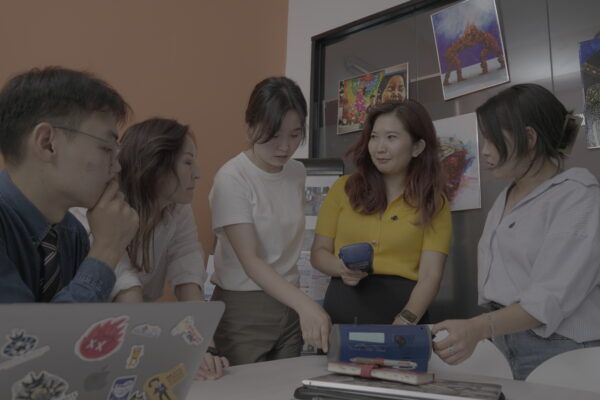
Clean Air Fund’s work prioritises communities who experience disproportionate impacts from air pollution and are too often excluded from climate action. Between 2022 and 2024, we funded community-led air quality monitoring in Ghana, Bulgaria, the Philippines, Indonesia, and Nigeria. We learned a lot about how community air quality monitoring strengthens clean air action and what it takes to design participatory approaches that work for and with communities most affected by dirty air.
When communities generate data, gaps in official systems are revealed
Across these projects, we found that community-generated evidence carried a level of legitimacy that official monitoring often did not. When residents measured air in their own neighbourhoods, people immediately recognised and believed the data. Project partners noted that while communities had raised concerns for years, having data elevated those concerns in discussions with authorities.
Community-led monitoring filled apparent gaps in official monitoring. Communities identified pollution hotspots invisible to authorities, sparse monitoring networks, and documented exposure among groups never captured in formal data. This data helped correct harmful assumptions about who causes pollution.
Projects putting data in communities’ hands
Ghana: Revealing the communities invisible to formal services
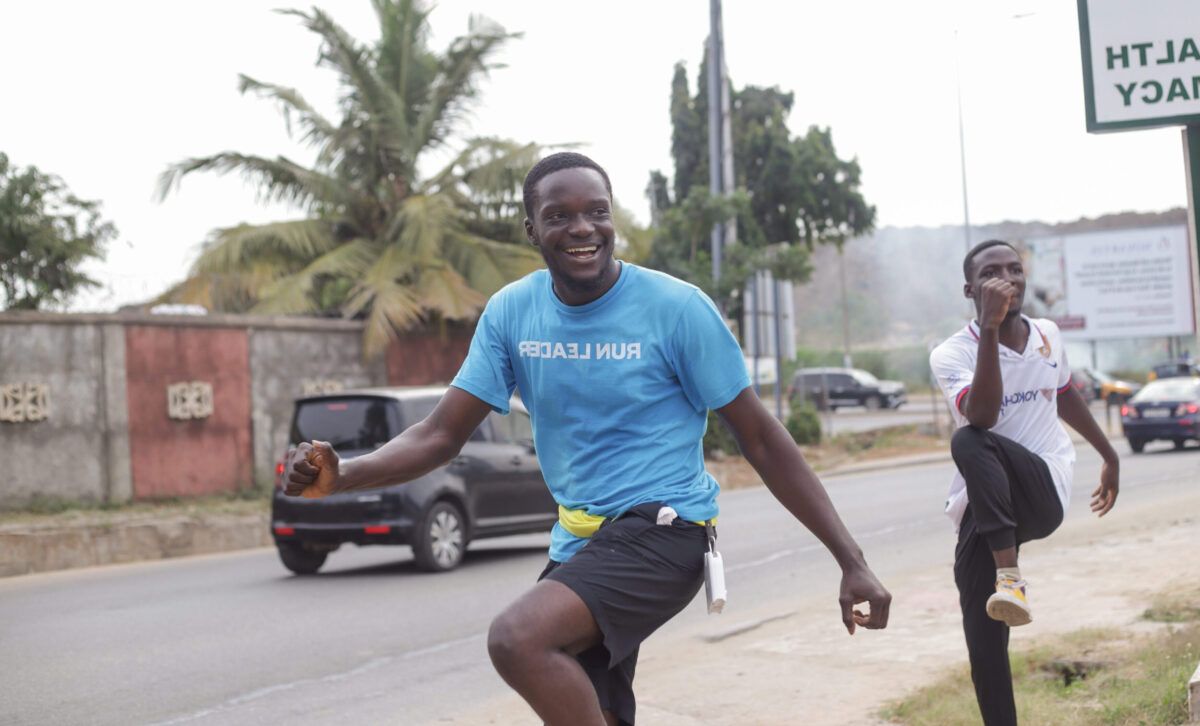
In Ghana, community monitoring revealed populations that were invisible to official monitoring. Old Fadama, Tema New Town, and Sokoban are home to low-income communities on the periphery of urban areas. Our partner, People’s Dialogue on Human Settlements (PDHS), trained 37 Clean Air Community Champions to collect over 1,400 readings across these three areas. The results were shocking: PM2.5 levels exceeded WHO guidelines by 400–700%, with air pollution linked to increased respiratory illness, heart disease, and premature death.
Community members identified those with the highest exposure: kayayei (women head porters), fish processors, woodworkers, and communities near e-waste burning areas, groups that were excluded from formal planning. Government officials had never seen air quality data specific to these neighbourhoods, and local assemblies began integrating clean air into development plans.
Sofia: Shattering stereotypes through evidence
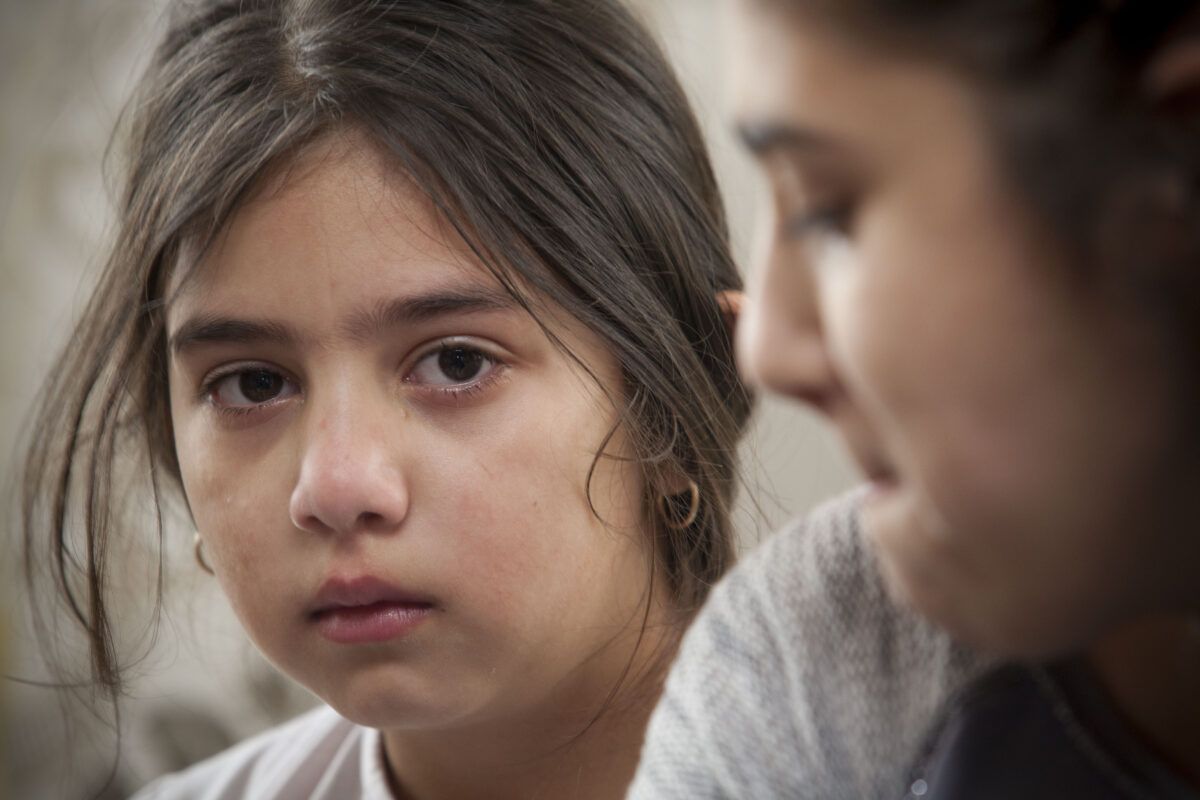
For years, public discourse blamed Fakulteta’s 40,000 Roma residents for Sofia’s winter smog. So, Trust for Social Achievement (TSA) installed 14 sensors in homes with Roma outreach workers’ support. The data disproved this myth: pollution spikes followed Sofia’s seasonal pattern, rather than one unique to Fakulteta.
The monitors showed the community was breathing disproportionately high levels of air pollution: PM2.5 exceeded WHO limits on 39% of days, elevating risk for respiratory and cardiovascular disease. The evidence exposed real drivers of air pollution: limited access to affordable heating and clean energy options. Heating costs exceeded the minimum wage for most households, pellet prices doubled for stoves, and informal homes were ineligible for government support.
As a result of the data collected, Sofia’s Deputy Mayor initiated discussions about these exclusions. Utility partnerships were formed to help families access cheaper electricity. But most importantly, community monitoring replaced a harmful stereotype with structural reality, creating space for solutions grounded in evidence rather than stigma.
Citizen science opens doors
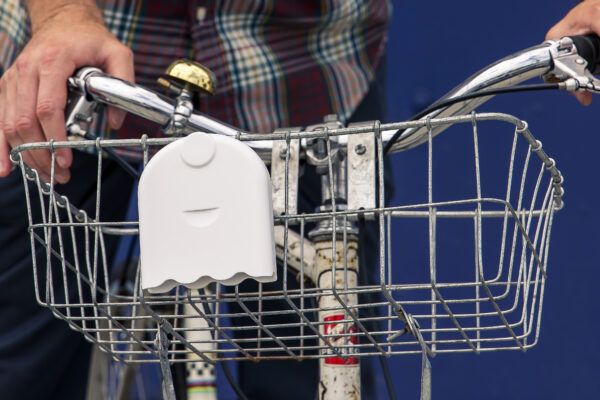
A GAIA project across three countries also used citizen science to open doors. GAIA equipped 34 volunteers in the Philippines, Nigeria, and Indonesia with wearable monitors, and found that WHO guidelines were exceeded on 85–100% of days, with PM2.5 at 5–8 times the recommended limits – exposure linked to lung cancer, stroke, and premature death.
In Dumaguete, Philippines, City council members visited the facility for the first time, and the mayor suspended incinerator operations after seeing community evidence. As one GAIA partner reflected, “Before, we used to do demonstrations… now we can use citizen science.” In Ogijo, Nigeria, authorities also initiated discussions about relocating a waste facility. And in Surabaya, Indonesia, WALHI’s policy brief shaped discourse and drew the government’s attention.
How do we ensure community monitoring is effective and inclusive?
Through these projects, we learned how to ensure communities are central to air quality action. Here are five key takeaways:
- Local languages and trusted messengers are essential. Projects using Bisaya in Dumaguete, Yoruba in Ogijo, and Roma outreach workers in Sofia saw greater resident participation in air quality issues. Partners framed messages around health, not technical jargon. Partners consistently reported that using local languages increased participation and understanding. Also, communities had control over how and when their data was shared, with volunteers deciding together on the timing and format of public communication. This was important in politically sensitive environments.
- Equitable action requires addressing real barriers to participation. Reaching disproportionately affected communities requires addressing real obstacles. In Sofia, the project covered internet and transportation costs. Other projects provided transportation support, engaged community and religious leaders to enable women’s participation, and designed activities around existing schedules. When these considerations guide design from the outset, monitoring captures pollution exposure patterns among those most vulnerable.
- Technical expertise must be embedded locally. Behind every credible dataset was a local expert who validated readings, ensured scientific rigour, built volunteers’ technical capacity, and helped them troubleshoot when problems arose. Where embedded technical support existed, data collection succeeded. Where it was remote, projects struggled with troubleshooting and quality assurance.
- Behaviour change requires affordable alternatives, not just awareness. In Ghana, 94–98% of people understood health risks but couldn’t afford safer cooking options. In Sofia, cleaner heating remained economically out of reach even as polluting heating cost most monthly wages. Community monitoring revealed that the barrier isn’t knowledge, but cost and access.
- Sustainability requires institutional integration. Sustaining monitoring and progress towards meaningful policy and behaviour changes requires equipment ownership to be transferred to communities. Ongoing relationships with officials and integration into planning cycles at the right governance level are also crucial to maintaining momentum. Many regulatory tools to address pollution sources, such as emissions standards, transportation policy, and industrial regulation, are under the purview of national agencies, not local governments. As one official put it: “You can’t fix a problem you don’t legally control.” Effective design must identify which level has authority to address specific sources, then engage accordingly.
What does this mean for clean air programmes?
Community monitoring strengthens clean air action by improving evidence quality, building trust, and creating accountability. It surfaces populations and exposure patterns that official systems miss, corrects harmful assumptions, and makes communities visible as experts rather than just affected populations. Within 18 months, projects opened conversations, making progress on issues that had gone unresolved for years.
We are applying these lessons to our future programmes. The pathway from evidence to sustained air quality improvement requires time, multi-level advocacy, and institutional strengthening beyond what single projects can deliver. Community monitoring isn’t just about filling data gaps. It’s about ensuring that those most affected by air pollution shape the evidence and solutions that matter most for their lives.
These projects ran from 2022 to 2024 as part of the Clean Air Fund’s commitment to embedding equity in our grant-making. We’re grateful to PDHS, GAIA, Trust for Social Achievement, HESED, EOIA, and all our partners for what their work revealed. Learn more about our approach to data and evidence and our work in Ghana, Europe, and globally.