Blog 2 September 2026
Clean air policies save lives, improve people’s health and cut emissions. But when they affect how people travel, heat their homes or earn a living, support can weaken. When people feel the costs or restrictions before experiencing the benefits, policies can attract opposition. A policy designed to protect public health can quickly be reframed as unfair, punitive or disconnected from daily realities by opponents. Clean air advocates need to navigate policy trade-offs, organised opposition and legitimate public concerns without losing trust.
Clean Air Fund’s Global Learning Partnership examined clean air action in Ghana, Poland and the UK to understand how public awareness and engagement affect air quality policy design, adoption and implementation. The evidence shows a clear pattern: public demand can put clean air on the agenda, but lasting progress depends on workable policy options, fair design, capable institutions and practical routes for people to comply.
Across the three cases, the lesson is not that clean air actors should avoid contested policies. It is that they need to prepare for contestation earlier, by linking public demand to strong policy choices, trusted messengers and practical support for affected groups.
Backlash may be predictable, but it is not inevitable. Five practical lessons stand out.
Lesson 1: Anticipate backlash before it defines the debate
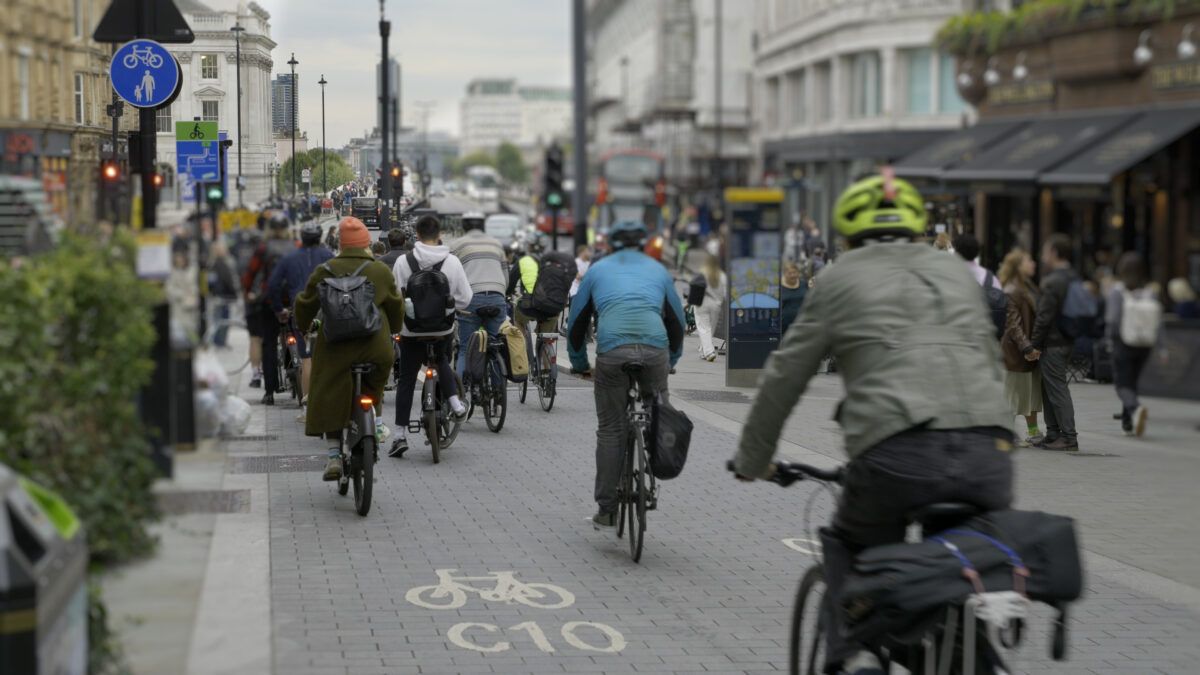
Opposition to clean air policies often follows familiar lines. Measures are framed as unfair, expensive, ‘anti-car’, ‘anti-business’ or a restriction on personal freedom. These arguments resonate when they connect to real or perceived impacts on people’s daily lives. In the UK, opposition to the expansion of London’s Ultra Low Emission Zone drew heavily on concerns about costs for vehicle owners and restrictions on mobility. These narratives contributed to political pushback, vandalism and misinformation.
Clean air actors should prepare for these debates before they emerge. Ahead of major policy decisions, advocates should develop fact sheets, evidence briefings, rapid-response messages, trusted spokespeople and clear explanations of who benefits, who may be affected and what support is available. If legitimate concerns are not acknowledged early, opponents can define the narrative in ways that are difficult to reverse.
Lesson 2: Align evidence to decisions, not just audiences
In contested debates, adding more data is rarely enough. Evidence needs to answer the decision in front of people: what is happening, who is affected, what choices are available and what needs to happen next. A public-facing health explainer, an economic briefing for policymakers and an implementation note for local authorities all serve different purposes.
General awareness-raising is important, but once a policy becomes contested, the questions shift from “is air pollution harmful?” to “can this policy work, for whom, and at what cost?”
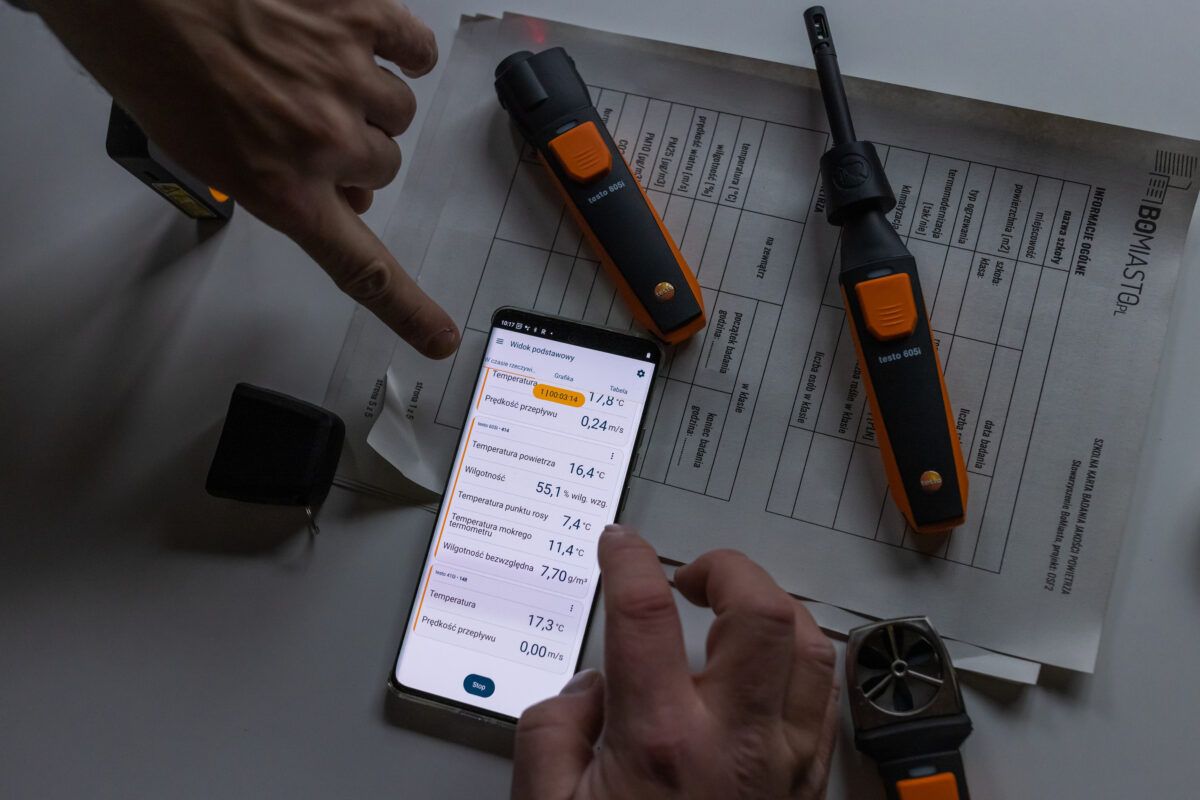
Across Ghana, Poland and the UK, evidence gained traction when it was local and accessible. In Ghana, local air quality monitoring, media engagement and evidence on health and economic impacts helped make air pollution more visible. Data from a locally supported air quality monitoring network identified pollution hotspots across the city, and this was paired with health and economic evidence from the Pollution to Solution report to move the argument beyond generic global estimates. That evidence gained traction because it was framed as helping regulators deliver their existing legal mandate more efficiently, rather than as criticism – a measured, quiet-diplomacy approach that made engagements more targeted and less likely to trigger defensiveness. By using health and economic evidence of air pollution, the issue became more relevant to policymakers facing competing priorities.

Lesson 3: Trust and relevance make messages land
Communication is shaped less by the message itself than by who delivers it and how it connects to people’s daily lives. Opposition narratives often succeed because they are delivered by trusted voices and use familiar frames: cost of living, fairness, or local impacts.
Health professionals, community leaders, parents, teachers, local businesses and local officials can often reach people that environmental organisations cannot. Messages are more likely to resonate when they connect clean air to children’s health, household costs, safer streets, local pride and quality of life – rather than abstract policy terms like “Net Zero” or “emissions pathways”.
In Poland, health framing helped broaden the appeal of clean air action beyond environmental groups. In the UK, parent-led and health-focused advocacy helped keep attention on children’s health and local impacts during politically difficult debates.
The lesson is to treat communication as a network of trusted voices, not a centralised message. Identify who different audiences trust, equip them with tailored, detailed evidence, and talk about clean air in ways that connect to people’s everyday lives.
Lesson 4: Design policies so people can comply
We found that one of the most decisive factors for successful clean air policies is whether people can realistically comply. Backlash is more likely when policies impose costs or restrictions without a credible pathway for affected groups to adapt. Measures that impose costs or restrictions should be designed with affordability, timing, feasible alternatives and distributional impacts in mind.
In Poland, coal and solid-fuel restrictions, alongside boiler replacement requirements, faced resistance from households that lacked affordable heating alternatives or trusted support. In Ghana, efforts to restrict highly polluting informal practices such as e-waste burning or wood fuel use risked opposition where people relied on them for income or household energy.
Where these factors are addressed – through targeted subsidies, phased implementation, exemptions, or support for affected groups – compliance becomes more achievable and opposition less compelling.

Lesson 5: Link public pressure to policy delivery
Public demand can create urgency, increase legitimacy and raise the political cost of inaction. But its influence depends on whether it is connected to a clear pathway for policy decisions and implementation.
The Global Learning Partnership finds that demand is most effective when it is institutionally anchored, linked to specific decision points, actors with authority, and workable policy options. Campaigners and funders should ask what demand is being connected to: What policy decision is needed? Who has the authority to make it? What options are ready? What support is needed for implementation? How will compliance be monitored?
Poland shows why this matters. Public mobilisation helped put clean air on the agenda, but it gained policy traction when combined with EU standards, legal obligations, technical expertise and local implementation pathways.
For funders, the lesson suggests supporting integrated approaches that link public demand, policy design and implementation and enforcement.
Taken together, these lessons point to a broader shift in how clean air actors approach policy change. Success depends not only on building awareness or public demand, but on connecting demand to workable policy solutions, trusted messengers, institutional capacity and practical support for affected groups. Public support is important, but not sufficient on its own. Lasting progress comes when policies are designed to be fair, feasible and deliverable.
Resilience, not retreat
The findings suggest that resilience comes less from winning arguments and more from designing policies people can live with. Clean air policies are most likely to succeed when they are connected to people’s everyday realities.
Clean air actors need to prepare earlier, build broader coalitions, use evidence more strategically, and design policies people can see themselves in. In noisy politics, the clean air movement does not need to shout louder; but rather make clean air action credible, fair and possible to deliver.
The Global Learning Partnership was implemented by ClearUp Consulting, in partnership with Sophoi, to strengthen evidence, evaluation and shared learning regarding the role of public demand in progressing policies with air quality impacts.